Buy esculham.eu ?
We are moving the project
esculham.eu .
Are you interested in purchasing the domain
esculham.eu ?
domain@kv-gmbh.de · 0541-91531010
Buy esculham.eu ?
What are notes and accidentals?
Notes are the building blocks of music, representing specific pitches on the musical staff. Accidentals are symbols that alter the pitch of a note, either by raising it a half step (sharp) or lowering it a half step (flat). Accidentals can also include the natural sign, which cancels out any previous sharps or flats and returns the note to its original pitch. Together, notes and accidentals help create the melody and harmony in music. **
What are key signatures and accidentals?
Key signatures are a set of sharp or flat symbols placed at the beginning of a piece of music to indicate the key of the music. They tell the musician which notes are to be played as sharps or flats throughout the piece. Accidentals, on the other hand, are individual sharp, flat, or natural symbols that are placed within the music to temporarily alter the pitch of a note. They are used to create chromaticism and to indicate a change in the key signature for a specific note or measure. Both key signatures and accidentals are important in understanding and interpreting the tonality and harmony of a musical composition. **


Similar search terms for Accidentals
Top-Angebote
Products related to Accidentals:
-
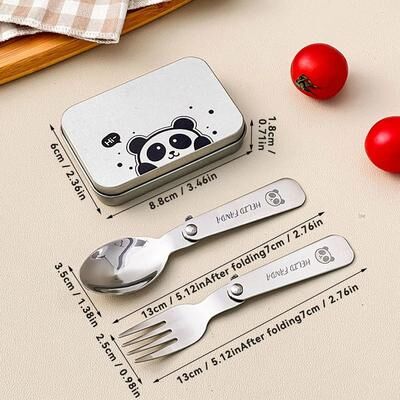
Uplift Picks Portable Folding Camping Cutlery Set With Case Stainless Steel Travel Utensils luckyNever get caught eating with flimsy disposable utensils again. This folding cutlery set gives you a clean, compact, and reliable way to enjoy meals wherever your day takes you. Designed for campers, travelers, office workers, and outdoor...32,97 $*Shipping: 0,00 $Secure redirect to the provider
-
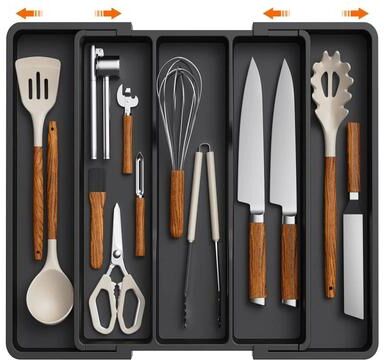
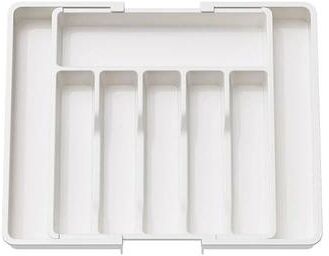
Inspired Finds Expandable Kitchen Drawer Organizer Adjustable Cutlery Tray For Utensils white No TablewareTurn messy drawers into a clean, efficient system with this expandable kitchen drawer organizer designed to maximize space and keep everything within reach. Whether you're storing spoons, forks, or cooking tools, this adjustable utensil tray adapts...66,99 $*Shipping: 0,00 $Secure redirect to the provider
-
Inspired Finds Expandable Cutlery Drawer Organizer Tray For Silverware, Spoons, And Kitchen Utensils whiteTransform messy kitchen drawers into organized storage spaces with this expandable cutlery organizer designed to keep silverware, utensils, and kitchen tools neatly arranged. Whether you're managing a busy family kitchen or maximizing storage in a...117,99 $*Shipping: 0,00 $Secure redirect to the provider
-
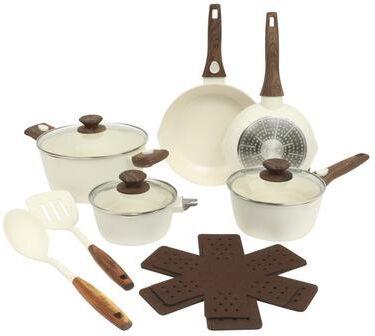
Oster SmartHandle Advance 13-Piece or 18-Piece Nonstick Cookware Set With Utensils & Pan ProtectorsThe Oster Smarthandle Advance Collection redefines everyday cooking with innovation and efficiency.Designed for convenience, this space-saving cookware features detachable, shareable handles that make storage easy and pan-swapping seamless.129,99 $*Shipping: 0,00 $Secure redirect to the provider

-
Is the order of the musical accidentals correct?
No, the order of musical accidentals is not correct. The correct order of musical accidentals is natural, sharp, and then flat. In the provided sequence, the order is natural, flat, and then sharp. **
-
Where do the accidentals go? Example: D major. I know how many accidentals go there, but where exactly? Please answer briefly.
In the key of D major, the accidentals go on the F# and C#. These accidentals are placed before the notes they are modifying in the key signature at the beginning of the staff. The F# and C# will be consistently played as sharp notes throughout the piece unless otherwise indicated. **
-
When do you need which accidentals in a scale?
Accidentals are used in a scale to indicate a change in the pitch of a note. In a major scale, accidentals are needed to raise the 4th and 7th notes by a half step to create a whole step between the 3rd and 4th notes, and the 7th and 8th notes. In a minor scale, accidentals are used to raise the 6th and 7th notes by a half step to create a whole step between the 2nd and 3rd notes, and the 5th and 6th notes. The specific accidentals needed in a scale depend on the key signature and whether the scale is major or minor. **
-
Why are certain accidentals used in the major music scale?
Accidentals are used in the major music scale to alter the pitch of a note, creating different tonalities and harmonies. For example, the sharp symbol (#) raises a note by a half step, while the flat symbol (b) lowers a note by a half step. These accidentals are used to create tension, resolution, and color in the music, adding depth and complexity to the overall sound of the major scale. **
Why are certain accidentals used in the major musical scale?
Accidentals are used in the major musical scale to create different tonal colors and to introduce tension and resolution within the music. By altering certain notes with accidentals such as sharps or flats, composers can add variety and interest to the melody. These accidentals help to establish the key signature of the piece and can also enhance the emotional impact of the music by creating dissonance or adding unexpected twists to the harmonies. **
Can accidentals appear in between to recognize the key signature?
Accidentals can appear in between to recognize the key signature. Accidentals are used to temporarily raise or lower the pitch of a note, even if it conflicts with the key signature. They can be used to create chromatic alterations within a piece of music, adding color and tension. However, the key signature remains the primary indicator of the prevailing key throughout the piece. **
Top-Angebote
Products related to Accidentals:
-
Utopia Alley 40 Pcs Cooking Utensils Set with Apron Silicone Turner Tong Spatula Spoon Kitchenware Organizer, BlackFOOD GRADE SILICONE & PREMIUM WOODEN HANDEL: The kitchen utensil set is made of food-grade safe silicone material and is BPA-free.33,99 $*Shipping: 0,00 $Secure redirect to the provider
-
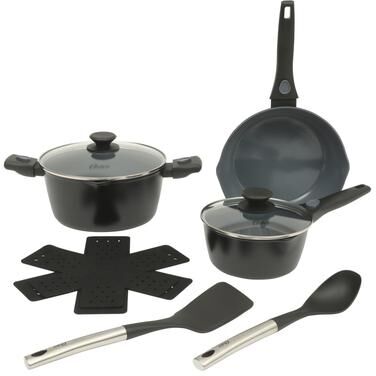
Oster SmartHandle Advance 13-Piece or 18-Piece Nonstick Cookware Set With Utensils & Pan ProtectorsThe Oster Smarthandle Advance Collection redefines everyday cooking with innovation and efficiency.Designed for convenience, this space-saving cookware features detachable, shareable handles that make storage easy and pan-swapping seamless.89,99 $*Shipping: 0,00 $Secure redirect to the provider
-
Uplift Picks Portable Folding Camping Cutlery Set With Case Stainless Steel Travel Utensils luckyNever get caught eating with flimsy disposable utensils again. This folding cutlery set gives you a clean, compact, and reliable way to enjoy meals wherever your day takes you. Designed for campers, travelers, office workers, and outdoor...32,97 $*Shipping: 0,00 $Secure redirect to the provider
-
Inspired Finds Expandable Kitchen Drawer Organizer Adjustable Cutlery Tray For Utensils white No TablewareTurn messy drawers into a clean, efficient system with this expandable kitchen drawer organizer designed to maximize space and keep everything within reach. Whether you're storing spoons, forks, or cooking tools, this adjustable utensil tray adapts...66,99 $*Shipping: 0,00 $Secure redirect to the provider
-
What are notes and accidentals?
Notes are the building blocks of music, representing specific pitches on the musical staff. Accidentals are symbols that alter the pitch of a note, either by raising it a half step (sharp) or lowering it a half step (flat). Accidentals can also include the natural sign, which cancels out any previous sharps or flats and returns the note to its original pitch. Together, notes and accidentals help create the melody and harmony in music. **
-
What are key signatures and accidentals?
Key signatures are a set of sharp or flat symbols placed at the beginning of a piece of music to indicate the key of the music. They tell the musician which notes are to be played as sharps or flats throughout the piece. Accidentals, on the other hand, are individual sharp, flat, or natural symbols that are placed within the music to temporarily alter the pitch of a note. They are used to create chromaticism and to indicate a change in the key signature for a specific note or measure. Both key signatures and accidentals are important in understanding and interpreting the tonality and harmony of a musical composition. **
-
Is the order of the musical accidentals correct?
No, the order of musical accidentals is not correct. The correct order of musical accidentals is natural, sharp, and then flat. In the provided sequence, the order is natural, flat, and then sharp. **
-
Where do the accidentals go? Example: D major. I know how many accidentals go there, but where exactly? Please answer briefly.
In the key of D major, the accidentals go on the F# and C#. These accidentals are placed before the notes they are modifying in the key signature at the beginning of the staff. The F# and C# will be consistently played as sharp notes throughout the piece unless otherwise indicated. **
Similar search terms for Accidentals
-
Inspired Finds Expandable Cutlery Drawer Organizer Tray For Silverware, Spoons, And Kitchen Utensils whiteTransform messy kitchen drawers into organized storage spaces with this expandable cutlery organizer designed to keep silverware, utensils, and kitchen tools neatly arranged. Whether you're managing a busy family kitchen or maximizing storage in a...117,99 $*Shipping: 0,00 $Secure redirect to the provider
-
Oster SmartHandle Advance 13-Piece or 18-Piece Nonstick Cookware Set With Utensils & Pan ProtectorsThe Oster Smarthandle Advance Collection redefines everyday cooking with innovation and efficiency.Designed for convenience, this space-saving cookware features detachable, shareable handles that make storage easy and pan-swapping seamless.129,99 $*Shipping: 0,00 $Secure redirect to the provider
-
Oster SmartHandle Advance 13-Piece or 18-Piece Nonstick Cookware Set With Utensils & Pan ProtectorsThe Oster Smarthandle Advance Collection redefines everyday cooking with innovation and efficiency.Designed for convenience, this space-saving cookware features detachable, shareable handles that make storage easy and pan-swapping seamless.89,99 $*Shipping: 0,00 $Secure redirect to the provider
-
Uplift Picks Portable Folding Camping Cutlery Set With Case Stainless Steel Travel Utensils pandaNever get caught eating with flimsy disposable utensils again. This folding cutlery set gives you a clean, compact, and reliable way to enjoy meals wherever your day takes you. Designed for campers, travelers, office workers, and outdoor...32,97 $*Shipping: 0,00 $Secure redirect to the provider
-
When do you need which accidentals in a scale?
Accidentals are used in a scale to indicate a change in the pitch of a note. In a major scale, accidentals are needed to raise the 4th and 7th notes by a half step to create a whole step between the 3rd and 4th notes, and the 7th and 8th notes. In a minor scale, accidentals are used to raise the 6th and 7th notes by a half step to create a whole step between the 2nd and 3rd notes, and the 5th and 6th notes. The specific accidentals needed in a scale depend on the key signature and whether the scale is major or minor. **
-
Why are certain accidentals used in the major music scale?
Accidentals are used in the major music scale to alter the pitch of a note, creating different tonalities and harmonies. For example, the sharp symbol (#) raises a note by a half step, while the flat symbol (b) lowers a note by a half step. These accidentals are used to create tension, resolution, and color in the music, adding depth and complexity to the overall sound of the major scale. **
-
Why are certain accidentals used in the major musical scale?
Accidentals are used in the major musical scale to create different tonal colors and to introduce tension and resolution within the music. By altering certain notes with accidentals such as sharps or flats, composers can add variety and interest to the melody. These accidentals help to establish the key signature of the piece and can also enhance the emotional impact of the music by creating dissonance or adding unexpected twists to the harmonies. **
-
Can accidentals appear in between to recognize the key signature?
Accidentals can appear in between to recognize the key signature. Accidentals are used to temporarily raise or lower the pitch of a note, even if it conflicts with the key signature. They can be used to create chromatic alterations within a piece of music, adding color and tension. However, the key signature remains the primary indicator of the prevailing key throughout the piece. **
* All prices are inclusive of VAT and, if applicable, plus shipping costs. The offer information is based on the details provided by the respective shop and is updated through automated processes. Real-time updates do not occur, so deviations can occur in individual cases. ** Note: Parts of this content were created by AI.