Buy esculham.eu ?
We are moving the project
esculham.eu .
Are you interested in purchasing the domain
esculham.eu ?
domain@kv-gmbh.de · 0541-91531010
Buy esculham.eu ?
What is agnosticism?
Agnosticism is the belief that the existence of God or a higher power is unknown or unknowable. Agnostics do not claim to have definitive knowledge about the existence or non-existence of a deity, and they often take a skeptical or neutral stance on the topic of religion. Agnosticism is different from atheism, which asserts that there is no God, and from theism, which asserts that there is a God. **
Is agnosticism neutral or not?
Agnosticism is often considered neutral because it is the belief that the existence of a higher power or ultimate truth is unknown or unknowable. Agnostics do not claim to have knowledge or certainty about the existence of a deity or spiritual realm, which can be seen as a neutral stance. However, some argue that agnosticism is not entirely neutral as it implies a skepticism or doubt towards religious claims and can be seen as a rejection of absolute certainty in favor of open-mindedness and critical thinking. Ultimately, whether agnosticism is considered neutral or not may depend on individual perspectives and interpretations. **


Similar search terms for Agnosticism
Top-Angebote
Products related to Agnosticism:
-
Uplift Picks Portable Folding Camping Cutlery Set With Case Stainless Steel Travel Utensils bearNever get caught eating with flimsy disposable utensils again. This folding cutlery set gives you a clean, compact, and reliable way to enjoy meals wherever your day takes you. Designed for campers, travelers, office workers, and outdoor...32,97 $*Shipping: 0,00 $Secure redirect to the provider
-
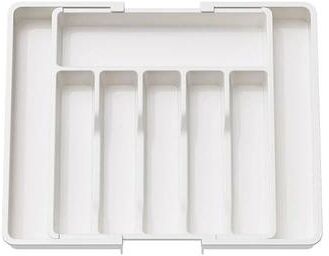
Inspired Finds Expandable Cutlery Drawer Organizer Tray For Silverware, Spoons, And Kitchen Utensils whiteTransform messy kitchen drawers into organized storage spaces with this expandable cutlery organizer designed to keep silverware, utensils, and kitchen tools neatly arranged. Whether you're managing a busy family kitchen or maximizing storage in a...117,99 $*Shipping: 0,00 $Secure redirect to the provider
-
Inspired Finds Expandable Kitchen Drawer Organizer Adjustable Cutlery Tray For Utensils white No TablewareTurn messy drawers into a clean, efficient system with this expandable kitchen drawer organizer designed to maximize space and keep everything within reach. Whether you're storing spoons, forks, or cooking tools, this adjustable utensil tray adapts...66,99 $*Shipping: 0,00 $Secure redirect to the provider
-
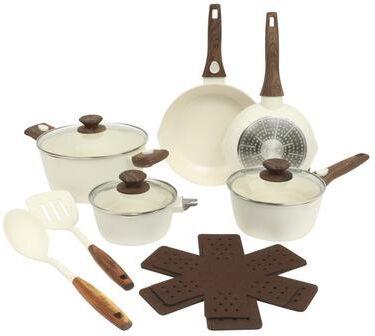
Oster SmartHandle Advance 13-Piece or 18-Piece Nonstick Cookware Set With Utensils & Pan ProtectorsThe Oster Smarthandle Advance Collection redefines everyday cooking with innovation and efficiency.Designed for convenience, this space-saving cookware features detachable, shareable handles that make storage easy and pan-swapping seamless.129,99 $*Shipping: 0,00 $Secure redirect to the provider

-
What is agnosticism in your own words?
Agnosticism is the belief that the existence of God or a higher power cannot be known or proven. Agnostics do not claim to have knowledge or certainty about the existence of a deity, and they may be open to the possibility of a higher power but do not adhere to any specific religious beliefs. Agnosticism is often characterized by a skepticism towards religious claims and a focus on the limitations of human understanding when it comes to matters of the divine. **
-
What is the difference between agnosticism and atheism?
Agnosticism is the belief that the existence of a higher power or deity is unknown or unknowable. Agnostics do not claim to know whether a god or gods exist or not. Atheism, on the other hand, is the lack of belief in the existence of any deities. Atheists do not believe in the existence of any gods or higher powers. While agnostics are unsure or skeptical about the existence of a higher power, atheists outright reject the belief in any deity. **
-
What is the difference between atheism and agnosticism?
Atheism is the belief that there is no god or gods, while agnosticism is the belief that the existence of god or gods is unknown or unknowable. Atheists actively deny the existence of a higher power, while agnostics simply claim that the existence of a higher power cannot be proven or disproven. In other words, atheism is a belief in the absence of a god, while agnosticism is a lack of belief in the presence or absence of a god. **
-
How can one transition from Islam to agnosticism?
Transitioning from Islam to agnosticism can be a deeply personal and complex journey. It may involve questioning and reevaluating one's beliefs, seeking out different perspectives and information, and engaging in introspection and self-reflection. It can also involve finding support from others who have gone through similar experiences and exploring different spiritual or philosophical paths. Ultimately, the transition to agnosticism may involve embracing uncertainty and being open to the idea that there may not be definitive answers to questions about the existence of a higher power or the nature of the universe. **

What are some problematic questions related to atheism and agnosticism?
Some problematic questions related to atheism and agnosticism include: 1. "How can you be moral without belief in a higher power?" This question assumes that morality is dependent on religious belief, which is not necessarily the case. 2. "Why don't you believe in God?" This question can be seen as confrontational and may put atheists and agnostics on the defensive. 3. "Are you just angry at God?" This question assumes that non-belief is rooted in emotion rather than rational thought. 4. "What if you're wrong?" This question can be seen as dismissive of an individual's beliefs and can be perceived as condescending. **
What religions are there, such as Christianity, Islam, Agnosticism, etc.?
There are many religions practiced around the world, including Christianity, Islam, Hinduism, Buddhism, Judaism, Sikhism, and many others. Additionally, there are belief systems such as agnosticism, atheism, and secular humanism that do not adhere to a specific religious tradition. Each of these religions and belief systems has its own unique set of beliefs, practices, and traditions. **
Top-Angebote
Products related to Agnosticism:
-
Utopia Alley 40 Pcs Cooking Utensils Set with Apron Silicone Turner Tong Spatula Spoon Kitchenware Organizer, BlackFOOD GRADE SILICONE & PREMIUM WOODEN HANDEL: The kitchen utensil set is made of food-grade safe silicone material and is BPA-free.33,99 $*Shipping: 0,00 $Secure redirect to the provider
-
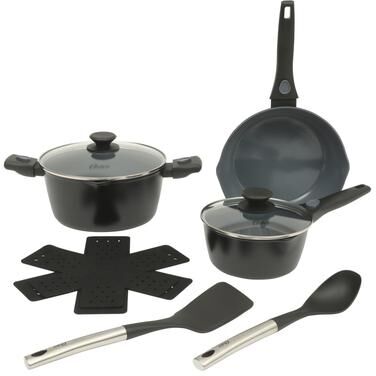
Oster SmartHandle Advance 13-Piece or 18-Piece Nonstick Cookware Set With Utensils & Pan ProtectorsThe Oster Smarthandle Advance Collection redefines everyday cooking with innovation and efficiency.Designed for convenience, this space-saving cookware features detachable, shareable handles that make storage easy and pan-swapping seamless.89,99 $*Shipping: 0,00 $Secure redirect to the provider
-
Uplift Picks Portable Folding Camping Cutlery Set With Case Stainless Steel Travel Utensils bearNever get caught eating with flimsy disposable utensils again. This folding cutlery set gives you a clean, compact, and reliable way to enjoy meals wherever your day takes you. Designed for campers, travelers, office workers, and outdoor...32,97 $*Shipping: 0,00 $Secure redirect to the provider
-
Inspired Finds Expandable Cutlery Drawer Organizer Tray For Silverware, Spoons, And Kitchen Utensils whiteTransform messy kitchen drawers into organized storage spaces with this expandable cutlery organizer designed to keep silverware, utensils, and kitchen tools neatly arranged. Whether you're managing a busy family kitchen or maximizing storage in a...117,99 $*Shipping: 0,00 $Secure redirect to the provider
-
What is agnosticism?
Agnosticism is the belief that the existence of God or a higher power is unknown or unknowable. Agnostics do not claim to have definitive knowledge about the existence or non-existence of a deity, and they often take a skeptical or neutral stance on the topic of religion. Agnosticism is different from atheism, which asserts that there is no God, and from theism, which asserts that there is a God. **
-
Is agnosticism neutral or not?
Agnosticism is often considered neutral because it is the belief that the existence of a higher power or ultimate truth is unknown or unknowable. Agnostics do not claim to have knowledge or certainty about the existence of a deity or spiritual realm, which can be seen as a neutral stance. However, some argue that agnosticism is not entirely neutral as it implies a skepticism or doubt towards religious claims and can be seen as a rejection of absolute certainty in favor of open-mindedness and critical thinking. Ultimately, whether agnosticism is considered neutral or not may depend on individual perspectives and interpretations. **
-
What is agnosticism in your own words?
Agnosticism is the belief that the existence of God or a higher power cannot be known or proven. Agnostics do not claim to have knowledge or certainty about the existence of a deity, and they may be open to the possibility of a higher power but do not adhere to any specific religious beliefs. Agnosticism is often characterized by a skepticism towards religious claims and a focus on the limitations of human understanding when it comes to matters of the divine. **
-
What is the difference between agnosticism and atheism?
Agnosticism is the belief that the existence of a higher power or deity is unknown or unknowable. Agnostics do not claim to know whether a god or gods exist or not. Atheism, on the other hand, is the lack of belief in the existence of any deities. Atheists do not believe in the existence of any gods or higher powers. While agnostics are unsure or skeptical about the existence of a higher power, atheists outright reject the belief in any deity. **
Similar search terms for Agnosticism
-
Inspired Finds Expandable Kitchen Drawer Organizer Adjustable Cutlery Tray For Utensils white No TablewareTurn messy drawers into a clean, efficient system with this expandable kitchen drawer organizer designed to maximize space and keep everything within reach. Whether you're storing spoons, forks, or cooking tools, this adjustable utensil tray adapts...66,99 $*Shipping: 0,00 $Secure redirect to the provider
-
Oster SmartHandle Advance 13-Piece or 18-Piece Nonstick Cookware Set With Utensils & Pan ProtectorsThe Oster Smarthandle Advance Collection redefines everyday cooking with innovation and efficiency.Designed for convenience, this space-saving cookware features detachable, shareable handles that make storage easy and pan-swapping seamless.129,99 $*Shipping: 0,00 $Secure redirect to the provider
-
Oster SmartHandle Advance 13-Piece or 18-Piece Nonstick Cookware Set With Utensils & Pan ProtectorsThe Oster Smarthandle Advance Collection redefines everyday cooking with innovation and efficiency.Designed for convenience, this space-saving cookware features detachable, shareable handles that make storage easy and pan-swapping seamless.89,99 $*Shipping: 0,00 $Secure redirect to the provider
-
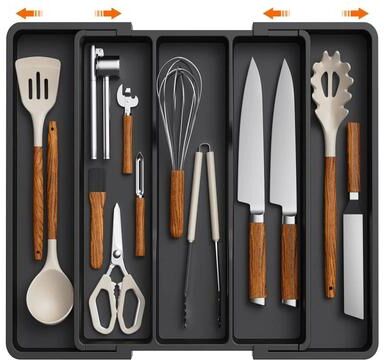
Inspired Finds Expandable Cutlery Drawer Organizer Tray For Silverware, Spoons, And Kitchen Utensils blackTransform messy kitchen drawers into organized storage spaces with this expandable cutlery organizer designed to keep silverware, utensils, and kitchen tools neatly arranged. Whether you're managing a busy family kitchen or maximizing storage in a...117,99 $*Shipping: 0,00 $Secure redirect to the provider
-
What is the difference between atheism and agnosticism?
Atheism is the belief that there is no god or gods, while agnosticism is the belief that the existence of god or gods is unknown or unknowable. Atheists actively deny the existence of a higher power, while agnostics simply claim that the existence of a higher power cannot be proven or disproven. In other words, atheism is a belief in the absence of a god, while agnosticism is a lack of belief in the presence or absence of a god. **
-
How can one transition from Islam to agnosticism?
Transitioning from Islam to agnosticism can be a deeply personal and complex journey. It may involve questioning and reevaluating one's beliefs, seeking out different perspectives and information, and engaging in introspection and self-reflection. It can also involve finding support from others who have gone through similar experiences and exploring different spiritual or philosophical paths. Ultimately, the transition to agnosticism may involve embracing uncertainty and being open to the idea that there may not be definitive answers to questions about the existence of a higher power or the nature of the universe. **
-
What are some problematic questions related to atheism and agnosticism?
Some problematic questions related to atheism and agnosticism include: 1. "How can you be moral without belief in a higher power?" This question assumes that morality is dependent on religious belief, which is not necessarily the case. 2. "Why don't you believe in God?" This question can be seen as confrontational and may put atheists and agnostics on the defensive. 3. "Are you just angry at God?" This question assumes that non-belief is rooted in emotion rather than rational thought. 4. "What if you're wrong?" This question can be seen as dismissive of an individual's beliefs and can be perceived as condescending. **
-
What religions are there, such as Christianity, Islam, Agnosticism, etc.?
There are many religions practiced around the world, including Christianity, Islam, Hinduism, Buddhism, Judaism, Sikhism, and many others. Additionally, there are belief systems such as agnosticism, atheism, and secular humanism that do not adhere to a specific religious tradition. Each of these religions and belief systems has its own unique set of beliefs, practices, and traditions. **
* All prices are inclusive of VAT and, if applicable, plus shipping costs. The offer information is based on the details provided by the respective shop and is updated through automated processes. Real-time updates do not occur, so deviations can occur in individual cases. ** Note: Parts of this content were created by AI.