Buy esculham.eu ?
We are moving the project
esculham.eu .
Are you interested in purchasing the domain
esculham.eu ?
domain@kv-gmbh.de · 0541-91531010
Buy esculham.eu ?
What are oxygen atoms and carbon atoms?
Oxygen atoms are the building blocks of the element oxygen, which is essential for life and makes up a large portion of the Earth's atmosphere. Oxygen atoms have 8 protons and typically 8 neutrons, giving them a total atomic mass of 16. They are known for their ability to form strong bonds with other elements, making them crucial for the formation of molecules such as water and carbon dioxide. Carbon atoms are the building blocks of the element carbon, which is a fundamental component of all known life on Earth. Carbon atoms have 6 protons and typically 6 neutrons, giving them a total atomic mass of 12. They are known for their ability to form long chains and complex structures, making them essential for the formation of organic molecules such as proteins, carbohydrates, and DNA. **
Will adding protons to atoms create different atoms?
No, adding protons to atoms will not create different atoms. The number of protons in an atom determines its identity as a specific element. Adding protons to an atom will change its identity and create a different element. However, adding protons to an atom can create a different isotope of the same element, which will have a different atomic mass but the same chemical properties. **

Similar search terms for Atoms
Top-Angebote
Products related to Atoms:
-
Oster SmartHandle Advance 13-Piece or 18-Piece Nonstick Cookware Set With Utensils & Pan ProtectorsThe Oster Smarthandle Advance Collection redefines everyday cooking with innovation and efficiency.Designed for convenience, this space-saving cookware features detachable, shareable handles that make storage easy and pan-swapping seamless.89,99 $*Shipping: 0,00 $Secure redirect to the provider
-
Uplift Picks Portable Folding Camping Cutlery Set With Case Stainless Steel Travel Utensils luckyNever get caught eating with flimsy disposable utensils again. This folding cutlery set gives you a clean, compact, and reliable way to enjoy meals wherever your day takes you. Designed for campers, travelers, office workers, and outdoor...32,97 $*Shipping: 0,00 $Secure redirect to the provider
-
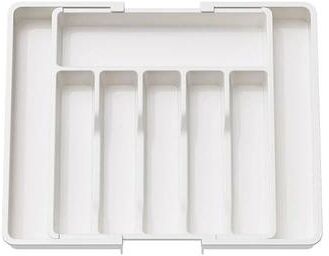
Inspired Finds Expandable Cutlery Drawer Organizer Tray For Silverware, Spoons, And Kitchen Utensils whiteTransform messy kitchen drawers into organized storage spaces with this expandable cutlery organizer designed to keep silverware, utensils, and kitchen tools neatly arranged. Whether you're managing a busy family kitchen or maximizing storage in a...117,99 $*Shipping: 0,00 $Secure redirect to the provider
-
Inspired Finds Expandable Kitchen Drawer Organizer Adjustable Cutlery Tray For Utensils white No TablewareTurn messy drawers into a clean, efficient system with this expandable kitchen drawer organizer designed to maximize space and keep everything within reach. Whether you're storing spoons, forks, or cooking tools, this adjustable utensil tray adapts...66,99 $*Shipping: 0,00 $Secure redirect to the provider



-
Why are some atoms larger than other atoms?
Some atoms are larger than others because they have more protons, neutrons, and electrons, which increases their atomic mass and size. The number of electron shells and the distance of the outermost electrons from the nucleus also contribute to the size of an atom. Additionally, the arrangement of electrons in the electron shells can affect the size of an atom. Overall, the size of an atom is determined by a combination of its atomic number, electron configuration, and atomic mass. **
-
Do argon atoms form when chlorine atoms gain electrons?
No, argon atoms do not form when chlorine atoms gain electrons. When chlorine atoms gain an electron, they become chloride ions with a negative charge. Argon is a noble gas and already has a full outer electron shell, so it does not need to gain or lose electrons to achieve stability. **
-
Can atoms explode?
Atoms themselves cannot explode, as they are the building blocks of matter and are stable in their natural state. However, when atoms undergo a nuclear reaction, such as nuclear fission or fusion, a large amount of energy is released in the form of an explosion. This is what happens in nuclear bombs or nuclear power plants. So, while atoms themselves cannot explode, the reactions they undergo can result in explosive energy release. **
-
Are atoms universes?
No, atoms are not universes. Atoms are the basic building blocks of matter, consisting of a nucleus of protons and neutrons surrounded by a cloud of electrons. Universes, on the other hand, are vast and complex systems that contain galaxies, stars, planets, and other celestial bodies. While both atoms and universes are part of the natural world, they exist at vastly different scales and levels of complexity. **


What is the difference between metal atoms and magnesium atoms?
Metal atoms refer to a broad category of elements that exhibit metallic properties, such as being good conductors of heat and electricity. Magnesium atoms, on the other hand, specifically refer to atoms of the element magnesium, which is a metal known for its light weight and high strength-to-weight ratio. While magnesium atoms are a subset of metal atoms, they have unique properties and characteristics that distinguish them from other metals. **
Can all atoms be split or only atoms that are radioactive?
Only atoms that are radioactive can be split through a process called nuclear fission. This process involves splitting the nucleus of an atom into smaller parts, releasing a large amount of energy in the process. Not all atoms are radioactive, so only those specific atoms can undergo nuclear fission. **
Top-Angebote
Products related to Atoms:
-
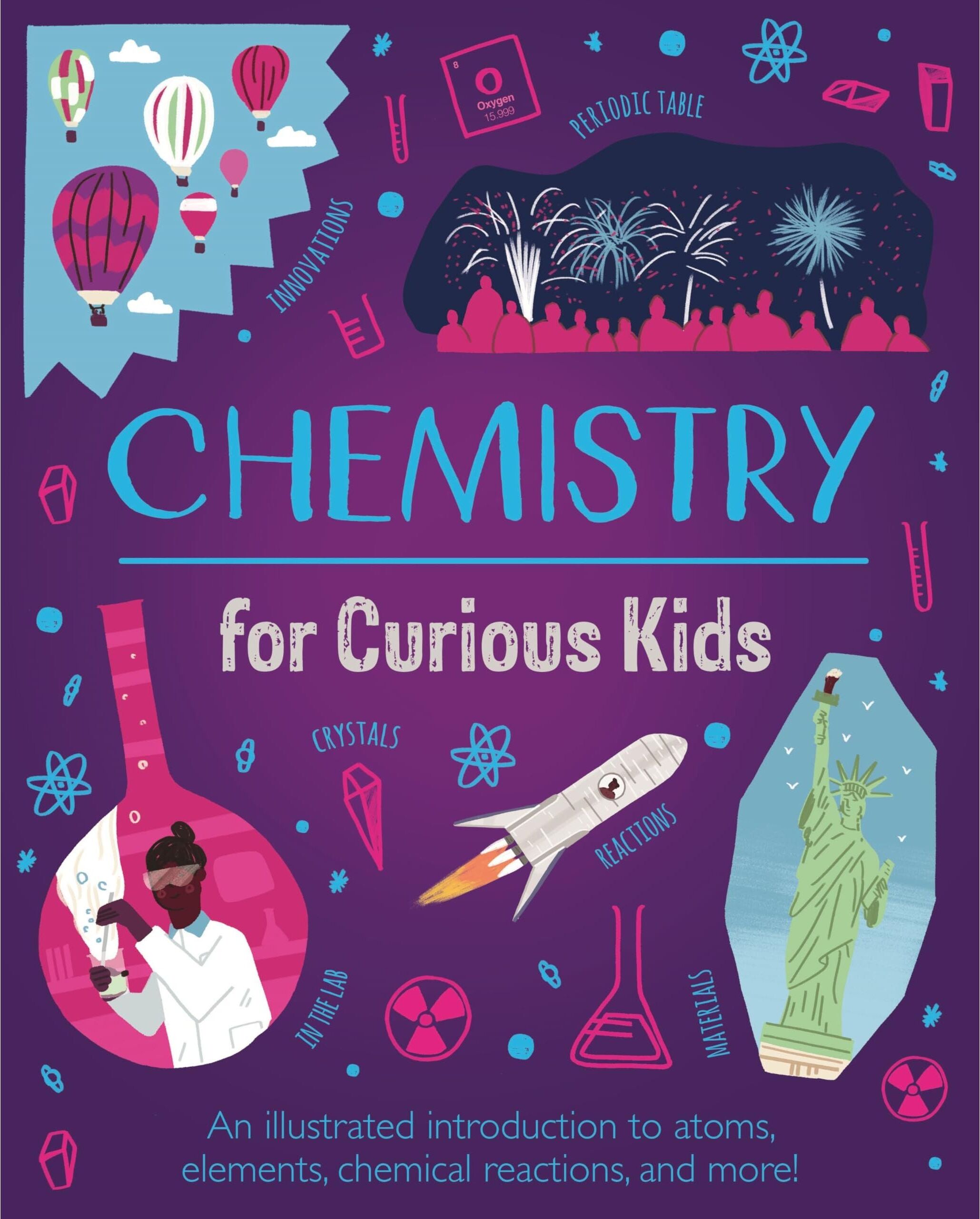
Arcturus Chemistry for Curious Kids: An Illustrated Introduction to Atoms, Elements, Chemical Reactions, and More! (Curious Kids, 2)Young readers can discover the wonders of chemistry with this accessible introduction, presented in a wonderful jacketed hardback format with full-colour illustrations. This inspirational book is packed with clear and engaging explanations of this fundamental topic, accompanied by beautiful illustrations by Alex Foster. Supporting STEM learning, this book is an ideal supplement to school education as it covers many core chemistry topics in an entertaining and easy-to-understand way. Big new concepts pop off the page thanks to vibrant diagrams and an engaging, energetic text. Kids will relish sharing them with friends and family! Young readers will love exploring exhilarating new ideas about: • Elements • Compounds • Molecules • Atoms • And much more! A great gift for readers aged 8-12.7,89 £*Shipping: 2,99 £Secure redirect to the provider
-
Utopia Alley 40 Pcs Cooking Utensils Set with Apron Silicone Turner Tong Spatula Spoon Kitchenware Organizer, BlackFOOD GRADE SILICONE & PREMIUM WOODEN HANDEL: The kitchen utensil set is made of food-grade safe silicone material and is BPA-free.33,99 $*Shipping: 0,00 $Secure redirect to the provider
-
Oster SmartHandle Advance 13-Piece or 18-Piece Nonstick Cookware Set With Utensils & Pan ProtectorsThe Oster Smarthandle Advance Collection redefines everyday cooking with innovation and efficiency.Designed for convenience, this space-saving cookware features detachable, shareable handles that make storage easy and pan-swapping seamless.89,99 $*Shipping: 0,00 $Secure redirect to the provider
-
Uplift Picks Portable Folding Camping Cutlery Set With Case Stainless Steel Travel Utensils luckyNever get caught eating with flimsy disposable utensils again. This folding cutlery set gives you a clean, compact, and reliable way to enjoy meals wherever your day takes you. Designed for campers, travelers, office workers, and outdoor...32,97 $*Shipping: 0,00 $Secure redirect to the provider
-
What are oxygen atoms and carbon atoms?
Oxygen atoms are the building blocks of the element oxygen, which is essential for life and makes up a large portion of the Earth's atmosphere. Oxygen atoms have 8 protons and typically 8 neutrons, giving them a total atomic mass of 16. They are known for their ability to form strong bonds with other elements, making them crucial for the formation of molecules such as water and carbon dioxide. Carbon atoms are the building blocks of the element carbon, which is a fundamental component of all known life on Earth. Carbon atoms have 6 protons and typically 6 neutrons, giving them a total atomic mass of 12. They are known for their ability to form long chains and complex structures, making them essential for the formation of organic molecules such as proteins, carbohydrates, and DNA. **
-
Will adding protons to atoms create different atoms?
No, adding protons to atoms will not create different atoms. The number of protons in an atom determines its identity as a specific element. Adding protons to an atom will change its identity and create a different element. However, adding protons to an atom can create a different isotope of the same element, which will have a different atomic mass but the same chemical properties. **
-
Why are some atoms larger than other atoms?
Some atoms are larger than others because they have more protons, neutrons, and electrons, which increases their atomic mass and size. The number of electron shells and the distance of the outermost electrons from the nucleus also contribute to the size of an atom. Additionally, the arrangement of electrons in the electron shells can affect the size of an atom. Overall, the size of an atom is determined by a combination of its atomic number, electron configuration, and atomic mass. **
-
Do argon atoms form when chlorine atoms gain electrons?
No, argon atoms do not form when chlorine atoms gain electrons. When chlorine atoms gain an electron, they become chloride ions with a negative charge. Argon is a noble gas and already has a full outer electron shell, so it does not need to gain or lose electrons to achieve stability. **
Similar search terms for Atoms
-
Inspired Finds Expandable Cutlery Drawer Organizer Tray For Silverware, Spoons, And Kitchen Utensils whiteTransform messy kitchen drawers into organized storage spaces with this expandable cutlery organizer designed to keep silverware, utensils, and kitchen tools neatly arranged. Whether you're managing a busy family kitchen or maximizing storage in a...117,99 $*Shipping: 0,00 $Secure redirect to the provider
-
Inspired Finds Expandable Kitchen Drawer Organizer Adjustable Cutlery Tray For Utensils white No TablewareTurn messy drawers into a clean, efficient system with this expandable kitchen drawer organizer designed to maximize space and keep everything within reach. Whether you're storing spoons, forks, or cooking tools, this adjustable utensil tray adapts...66,99 $*Shipping: 0,00 $Secure redirect to the provider
-
Oster SmartHandle Advance 13-Piece or 18-Piece Nonstick Cookware Set With Utensils & Pan ProtectorsThe Oster Smarthandle Advance Collection redefines everyday cooking with innovation and efficiency.Designed for convenience, this space-saving cookware features detachable, shareable handles that make storage easy and pan-swapping seamless.129,99 $*Shipping: 0,00 $Secure redirect to the provider
-
Oster SmartHandle Advance 13-Piece or 18-Piece Nonstick Cookware Set With Utensils & Pan ProtectorsThe Oster Smarthandle Advance Collection redefines everyday cooking with innovation and efficiency.Designed for convenience, this space-saving cookware features detachable, shareable handles that make storage easy and pan-swapping seamless.89,99 $*Shipping: 0,00 $Secure redirect to the provider
-
Can atoms explode?
Atoms themselves cannot explode, as they are the building blocks of matter and are stable in their natural state. However, when atoms undergo a nuclear reaction, such as nuclear fission or fusion, a large amount of energy is released in the form of an explosion. This is what happens in nuclear bombs or nuclear power plants. So, while atoms themselves cannot explode, the reactions they undergo can result in explosive energy release. **
-
Are atoms universes?
No, atoms are not universes. Atoms are the basic building blocks of matter, consisting of a nucleus of protons and neutrons surrounded by a cloud of electrons. Universes, on the other hand, are vast and complex systems that contain galaxies, stars, planets, and other celestial bodies. While both atoms and universes are part of the natural world, they exist at vastly different scales and levels of complexity. **
-
What is the difference between metal atoms and magnesium atoms?
Metal atoms refer to a broad category of elements that exhibit metallic properties, such as being good conductors of heat and electricity. Magnesium atoms, on the other hand, specifically refer to atoms of the element magnesium, which is a metal known for its light weight and high strength-to-weight ratio. While magnesium atoms are a subset of metal atoms, they have unique properties and characteristics that distinguish them from other metals. **
-
Can all atoms be split or only atoms that are radioactive?
Only atoms that are radioactive can be split through a process called nuclear fission. This process involves splitting the nucleus of an atom into smaller parts, releasing a large amount of energy in the process. Not all atoms are radioactive, so only those specific atoms can undergo nuclear fission. **
* All prices are inclusive of VAT and, if applicable, plus shipping costs. The offer information is based on the details provided by the respective shop and is updated through automated processes. Real-time updates do not occur, so deviations can occur in individual cases. ** Note: Parts of this content were created by AI.