Buy esculham.eu ?
We are moving the project
esculham.eu .
Are you interested in purchasing the domain
esculham.eu ?
domain@kv-gmbh.de · 0541-91531010
Buy esculham.eu ?
How is the gel electrophoresis carried out?
Gel electrophoresis is carried out by first preparing a gel made of agarose or polyacrylamide, which is then placed in a buffer-filled chamber. DNA or RNA samples are mixed with a loading dye and loaded into wells in the gel. An electric current is then applied to the gel, causing the negatively charged DNA or RNA molecules to move through the gel towards the positive electrode. The smaller molecules move faster and travel farther through the gel, resulting in separation of the DNA or RNA fragments based on size. Finally, the gel is stained and visualized under UV light to observe the separated DNA or RNA bands. **
How is staining done in gel electrophoresis?
Staining in gel electrophoresis is typically done after the DNA or protein bands have been separated in the gel. The gel is first soaked in a staining solution that binds to the DNA or protein molecules, making them visible under UV light or by using a specialized imaging system. Common staining methods include using ethidium bromide for DNA or Coomassie blue for proteins. After staining, the gel is destained to remove excess dye and improve the contrast of the bands. **


Similar search terms for Electrophoresis
Top-Angebote
Products related to Electrophoresis:
-
Uplift Picks Portable Folding Camping Cutlery Set With Case Stainless Steel Travel Utensils luckyNever get caught eating with flimsy disposable utensils again. This folding cutlery set gives you a clean, compact, and reliable way to enjoy meals wherever your day takes you. Designed for campers, travelers, office workers, and outdoor...32,97 $*Shipping: 0,00 $Secure redirect to the provider
-
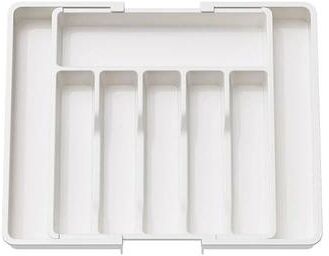
Inspired Finds Expandable Cutlery Drawer Organizer Tray For Silverware, Spoons, And Kitchen Utensils whiteTransform messy kitchen drawers into organized storage spaces with this expandable cutlery organizer designed to keep silverware, utensils, and kitchen tools neatly arranged. Whether you're managing a busy family kitchen or maximizing storage in a...117,99 $*Shipping: 0,00 $Secure redirect to the provider
-
Inspired Finds Expandable Kitchen Drawer Organizer Adjustable Cutlery Tray For Utensils white No TablewareTurn messy drawers into a clean, efficient system with this expandable kitchen drawer organizer designed to maximize space and keep everything within reach. Whether you're storing spoons, forks, or cooking tools, this adjustable utensil tray adapts...66,99 $*Shipping: 0,00 $Secure redirect to the provider
-
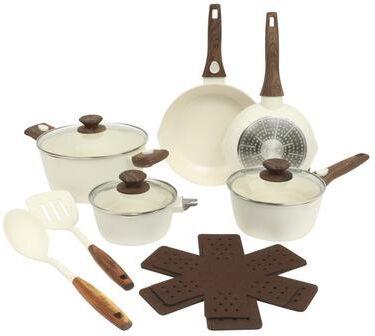
Oster SmartHandle Advance 13-Piece or 18-Piece Nonstick Cookware Set With Utensils & Pan ProtectorsThe Oster Smarthandle Advance Collection redefines everyday cooking with innovation and efficiency.Designed for convenience, this space-saving cookware features detachable, shareable handles that make storage easy and pan-swapping seamless.129,99 $*Shipping: 0,00 $Secure redirect to the provider


-
How is the gel electrophoresis analysis carried out?
Gel electrophoresis analysis is carried out by first preparing a gel, typically made of agarose or polyacrylamide, and creating wells at one end of the gel. Then, the DNA or RNA samples are mixed with a loading dye and loaded into the wells. An electric current is applied to the gel, causing the negatively charged DNA or RNA molecules to move towards the positively charged end of the gel. The smaller molecules move faster and travel further through the gel, resulting in separation of the DNA or RNA fragments based on size. After the electrophoresis is complete, the gel is stained with a dye that binds to the DNA or RNA, allowing the separated bands to be visualized under UV light. **
-
How are gel electrophoresis and diseases related in biology?
Gel electrophoresis is a technique used in biology to separate and analyze DNA, RNA, or proteins based on their size and charge. This technique is commonly used in the field of molecular biology to study genetic diseases. By running DNA samples through gel electrophoresis, scientists can identify mutations or variations in the DNA that may be associated with certain genetic diseases. This helps in diagnosing genetic disorders and understanding the underlying molecular mechanisms of diseases. **
-
How do you read information when interpreting gel electrophoresis?
When interpreting gel electrophoresis, you read the information by looking at the bands that appear on the gel. Each band represents a different DNA fragment of a specific size. The distance the bands have traveled on the gel indicates the size of the DNA fragments, with smaller fragments traveling further than larger ones. By comparing the bands to a DNA ladder or standard, you can determine the size of the DNA fragments in your sample. **
-
How is the banding pattern of gel electrophoresis evaluated?
The banding pattern of gel electrophoresis is evaluated by examining the position and intensity of the bands on the gel. Each band represents a different fragment of DNA or RNA based on its size, with smaller fragments migrating faster and appearing closer to the positive electrode. The intensity of the bands corresponds to the amount of DNA or RNA present in each fragment. By comparing the banding pattern of the sample with known standards or markers, researchers can determine the size and quantity of the nucleic acid fragments present in the sample. **


How to interpret the banding pattern of gel electrophoresis?
The banding pattern of gel electrophoresis can be interpreted by looking at the position and intensity of the bands. The position of the bands indicates the size of the DNA fragments, with smaller fragments migrating further down the gel. The intensity of the bands corresponds to the amount of DNA present in each fragment. By comparing the banding pattern of the sample with a DNA ladder of known sizes, one can determine the size of the DNA fragments in the sample. **
What is the analysis of the result of electrophoresis?
The analysis of the result of electrophoresis involves examining the pattern of bands that have formed on the gel. This pattern is used to determine the size and/or charge of the molecules that were separated during the electrophoresis process. By comparing the bands to known standards or controls, scientists can identify the molecules present in the sample and draw conclusions about their characteristics. The intensity and position of the bands can also provide information about the quantity and purity of the molecules in the sample. **
Top-Angebote
Products related to Electrophoresis:
-
Utopia Alley 40 Pcs Cooking Utensils Set with Apron Silicone Turner Tong Spatula Spoon Kitchenware Organizer, BlackFOOD GRADE SILICONE & PREMIUM WOODEN HANDEL: The kitchen utensil set is made of food-grade safe silicone material and is BPA-free.33,99 $*Shipping: 0,00 $Secure redirect to the provider
-
Oster SmartHandle Advance 13-Piece or 18-Piece Nonstick Cookware Set With Utensils & Pan ProtectorsThe Oster Smarthandle Advance Collection redefines everyday cooking with innovation and efficiency.Designed for convenience, this space-saving cookware features detachable, shareable handles that make storage easy and pan-swapping seamless.89,99 $*Shipping: 0,00 $Secure redirect to the provider
-
Uplift Picks Portable Folding Camping Cutlery Set With Case Stainless Steel Travel Utensils luckyNever get caught eating with flimsy disposable utensils again. This folding cutlery set gives you a clean, compact, and reliable way to enjoy meals wherever your day takes you. Designed for campers, travelers, office workers, and outdoor...32,97 $*Shipping: 0,00 $Secure redirect to the provider
-
Inspired Finds Expandable Cutlery Drawer Organizer Tray For Silverware, Spoons, And Kitchen Utensils whiteTransform messy kitchen drawers into organized storage spaces with this expandable cutlery organizer designed to keep silverware, utensils, and kitchen tools neatly arranged. Whether you're managing a busy family kitchen or maximizing storage in a...117,99 $*Shipping: 0,00 $Secure redirect to the provider
-
How is the gel electrophoresis carried out?
Gel electrophoresis is carried out by first preparing a gel made of agarose or polyacrylamide, which is then placed in a buffer-filled chamber. DNA or RNA samples are mixed with a loading dye and loaded into wells in the gel. An electric current is then applied to the gel, causing the negatively charged DNA or RNA molecules to move through the gel towards the positive electrode. The smaller molecules move faster and travel farther through the gel, resulting in separation of the DNA or RNA fragments based on size. Finally, the gel is stained and visualized under UV light to observe the separated DNA or RNA bands. **
-
How is staining done in gel electrophoresis?
Staining in gel electrophoresis is typically done after the DNA or protein bands have been separated in the gel. The gel is first soaked in a staining solution that binds to the DNA or protein molecules, making them visible under UV light or by using a specialized imaging system. Common staining methods include using ethidium bromide for DNA or Coomassie blue for proteins. After staining, the gel is destained to remove excess dye and improve the contrast of the bands. **
-
How is the gel electrophoresis analysis carried out?
Gel electrophoresis analysis is carried out by first preparing a gel, typically made of agarose or polyacrylamide, and creating wells at one end of the gel. Then, the DNA or RNA samples are mixed with a loading dye and loaded into the wells. An electric current is applied to the gel, causing the negatively charged DNA or RNA molecules to move towards the positively charged end of the gel. The smaller molecules move faster and travel further through the gel, resulting in separation of the DNA or RNA fragments based on size. After the electrophoresis is complete, the gel is stained with a dye that binds to the DNA or RNA, allowing the separated bands to be visualized under UV light. **
-
How are gel electrophoresis and diseases related in biology?
Gel electrophoresis is a technique used in biology to separate and analyze DNA, RNA, or proteins based on their size and charge. This technique is commonly used in the field of molecular biology to study genetic diseases. By running DNA samples through gel electrophoresis, scientists can identify mutations or variations in the DNA that may be associated with certain genetic diseases. This helps in diagnosing genetic disorders and understanding the underlying molecular mechanisms of diseases. **
Similar search terms for Electrophoresis
-
Inspired Finds Expandable Kitchen Drawer Organizer Adjustable Cutlery Tray For Utensils white No TablewareTurn messy drawers into a clean, efficient system with this expandable kitchen drawer organizer designed to maximize space and keep everything within reach. Whether you're storing spoons, forks, or cooking tools, this adjustable utensil tray adapts...66,99 $*Shipping: 0,00 $Secure redirect to the provider
-
Oster SmartHandle Advance 13-Piece or 18-Piece Nonstick Cookware Set With Utensils & Pan ProtectorsThe Oster Smarthandle Advance Collection redefines everyday cooking with innovation and efficiency.Designed for convenience, this space-saving cookware features detachable, shareable handles that make storage easy and pan-swapping seamless.129,99 $*Shipping: 0,00 $Secure redirect to the provider
-
Oster SmartHandle Advance 13-Piece or 18-Piece Nonstick Cookware Set With Utensils & Pan ProtectorsThe Oster Smarthandle Advance Collection redefines everyday cooking with innovation and efficiency.Designed for convenience, this space-saving cookware features detachable, shareable handles that make storage easy and pan-swapping seamless.89,99 $*Shipping: 0,00 $Secure redirect to the provider
-
Inspired Finds Expandable Cutlery Drawer Organizer Tray For Silverware, Spoons, And Kitchen Utensils blackTransform messy kitchen drawers into organized storage spaces with this expandable cutlery organizer designed to keep silverware, utensils, and kitchen tools neatly arranged. Whether you're managing a busy family kitchen or maximizing storage in a...117,99 $*Shipping: 0,00 $Secure redirect to the provider
-
How do you read information when interpreting gel electrophoresis?
When interpreting gel electrophoresis, you read the information by looking at the bands that appear on the gel. Each band represents a different DNA fragment of a specific size. The distance the bands have traveled on the gel indicates the size of the DNA fragments, with smaller fragments traveling further than larger ones. By comparing the bands to a DNA ladder or standard, you can determine the size of the DNA fragments in your sample. **
-
How is the banding pattern of gel electrophoresis evaluated?
The banding pattern of gel electrophoresis is evaluated by examining the position and intensity of the bands on the gel. Each band represents a different fragment of DNA or RNA based on its size, with smaller fragments migrating faster and appearing closer to the positive electrode. The intensity of the bands corresponds to the amount of DNA or RNA present in each fragment. By comparing the banding pattern of the sample with known standards or markers, researchers can determine the size and quantity of the nucleic acid fragments present in the sample. **
-
How to interpret the banding pattern of gel electrophoresis?
The banding pattern of gel electrophoresis can be interpreted by looking at the position and intensity of the bands. The position of the bands indicates the size of the DNA fragments, with smaller fragments migrating further down the gel. The intensity of the bands corresponds to the amount of DNA present in each fragment. By comparing the banding pattern of the sample with a DNA ladder of known sizes, one can determine the size of the DNA fragments in the sample. **
-
What is the analysis of the result of electrophoresis?
The analysis of the result of electrophoresis involves examining the pattern of bands that have formed on the gel. This pattern is used to determine the size and/or charge of the molecules that were separated during the electrophoresis process. By comparing the bands to known standards or controls, scientists can identify the molecules present in the sample and draw conclusions about their characteristics. The intensity and position of the bands can also provide information about the quantity and purity of the molecules in the sample. **
* All prices are inclusive of VAT and, if applicable, plus shipping costs. The offer information is based on the details provided by the respective shop and is updated through automated processes. Real-time updates do not occur, so deviations can occur in individual cases. ** Note: Parts of this content were created by AI.