Buy esculham.eu ?
We are moving the project
esculham.eu .
Are you interested in purchasing the domain
esculham.eu ?
domain@kv-gmbh.de · 0541-91531010
Buy esculham.eu ?
What are perceptual mechanisms?
Perceptual mechanisms refer to the processes by which our brain interprets and organizes sensory information from the environment. These mechanisms help us make sense of the world around us by filtering, selecting, and interpreting incoming sensory stimuli. They play a crucial role in shaping our perceptions, influencing how we perceive and understand the world. Perceptual mechanisms can vary from person to person and can be influenced by factors such as past experiences, expectations, and cultural background. **
What are defense mechanisms?
Defense mechanisms are psychological strategies that individuals unconsciously use to cope with anxiety and protect themselves from perceived threats or distressing emotions. These mechanisms operate at an unconscious level and help individuals manage internal conflicts and maintain a sense of psychological equilibrium. Common defense mechanisms include denial, repression, projection, and rationalization. While defense mechanisms can be adaptive in moderation, overreliance on them can lead to maladaptive behaviors and hinder personal growth and self-awareness. **


Similar search terms for Mechanisms
Top-Angebote
Products related to Mechanisms:
-
Uplift Picks Portable Folding Camping Cutlery Set With Case Stainless Steel Travel Utensils luckyNever get caught eating with flimsy disposable utensils again. This folding cutlery set gives you a clean, compact, and reliable way to enjoy meals wherever your day takes you. Designed for campers, travelers, office workers, and outdoor...32,97 $*Shipping: 0,00 $Secure redirect to the provider
-
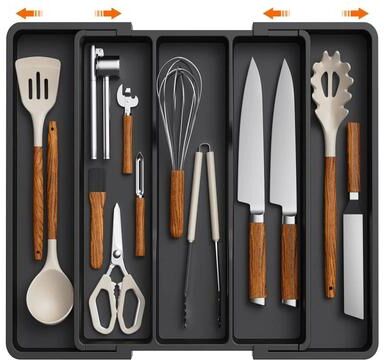
Inspired Finds Expandable Cutlery Drawer Organizer Tray For Silverware, Spoons, And Kitchen Utensils whiteTransform messy kitchen drawers into organized storage spaces with this expandable cutlery organizer designed to keep silverware, utensils, and kitchen tools neatly arranged. Whether you're managing a busy family kitchen or maximizing storage in a...117,99 $*Shipping: 0,00 $Secure redirect to the provider
-
Inspired Finds Expandable Kitchen Drawer Organizer Adjustable Cutlery Tray For Utensils white No TablewareTurn messy drawers into a clean, efficient system with this expandable kitchen drawer organizer designed to maximize space and keep everything within reach. Whether you're storing spoons, forks, or cooking tools, this adjustable utensil tray adapts...66,99 $*Shipping: 0,00 $Secure redirect to the provider
-
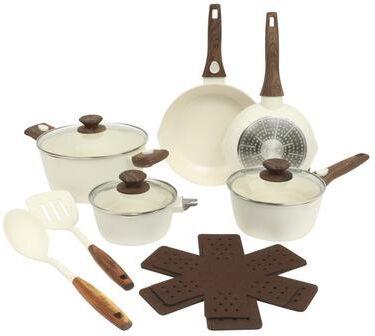
Oster SmartHandle Advance 13-Piece or 18-Piece Nonstick Cookware Set With Utensils & Pan ProtectorsThe Oster Smarthandle Advance Collection redefines everyday cooking with innovation and efficiency.Designed for convenience, this space-saving cookware features detachable, shareable handles that make storage easy and pan-swapping seamless.129,99 $*Shipping: 0,00 $Secure redirect to the provider


-
What are neural mechanisms?
Neural mechanisms refer to the processes and pathways in the brain that underlie various cognitive functions and behaviors. These mechanisms involve the communication between neurons through electrical and chemical signals, as well as the formation and strengthening of neural connections. Understanding neural mechanisms is crucial for studying how the brain processes information, controls behavior, and responds to different stimuli. Researchers use various techniques, such as neuroimaging and electrophysiology, to investigate these neural mechanisms and gain insights into brain function. **
-
What are perception mechanisms?
Perception mechanisms are the processes by which individuals interpret and make sense of sensory information from the environment. These mechanisms involve the brain receiving, organizing, and interpreting sensory inputs such as sight, sound, touch, taste, and smell. Perception mechanisms help individuals to understand and navigate their surroundings, allowing them to form perceptions, make decisions, and take actions based on the information they receive. These mechanisms can be influenced by factors such as past experiences, emotions, and cognitive biases. **
-
What are the isolation mechanisms?
Isolation mechanisms are barriers that prevent different species from interbreeding, maintaining their genetic integrity. These mechanisms can be prezygotic, occurring before fertilization, or postzygotic, occurring after fertilization. Prezygotic mechanisms include habitat isolation, temporal isolation, behavioral isolation, mechanical isolation, and gametic isolation. Postzygotic mechanisms include reduced hybrid viability, reduced hybrid fertility, and hybrid breakdown. Together, these mechanisms help to ensure that species remain distinct and do not produce viable offspring when they interbreed. **
-
How secure are locking mechanisms?
Locking mechanisms can vary in terms of security, depending on the type and quality of the lock. High-quality locks, such as those with advanced technology and strong materials, can provide a high level of security. However, lower-quality or poorly maintained locks may be more vulnerable to picking, bumping, or other forms of forced entry. It's important to invest in secure locking mechanisms and to regularly maintain and update them to ensure the highest level of security for your property. **

What isolation mechanisms are there?
Isolation mechanisms are biological processes that prevent different species from interbreeding. These mechanisms can be prezygotic, meaning they prevent the formation of a zygote, or postzygotic, meaning they prevent the development of a viable offspring. Prezygotic isolation mechanisms include behavioral isolation (differences in mating behaviors), temporal isolation (different mating times), and ecological isolation (different habitats). Postzygotic isolation mechanisms include reduced hybrid viability (hybrid offspring are less likely to survive) and reduced hybrid fertility (hybrid offspring are infertile). These mechanisms help maintain the genetic integrity of different species. **
Where are crank gear mechanisms used?
Crank gear mechanisms are used in various applications, including automotive engines, bicycles, and industrial machinery. In automotive engines, crank gear mechanisms are used to convert the reciprocating motion of the pistons into rotational motion, which drives the vehicle. In bicycles, crank gear mechanisms are used to transfer the pedaling motion to the wheels, allowing the rider to propel the bike forward. In industrial machinery, crank gear mechanisms are used in various types of equipment to convert one type of motion into another for specific mechanical tasks. **
Top-Angebote
Products related to Mechanisms:
-
Utopia Alley 40 Pcs Cooking Utensils Set with Apron Silicone Turner Tong Spatula Spoon Kitchenware Organizer, BlackFOOD GRADE SILICONE & PREMIUM WOODEN HANDEL: The kitchen utensil set is made of food-grade safe silicone material and is BPA-free.33,99 $*Shipping: 0,00 $Secure redirect to the provider
-
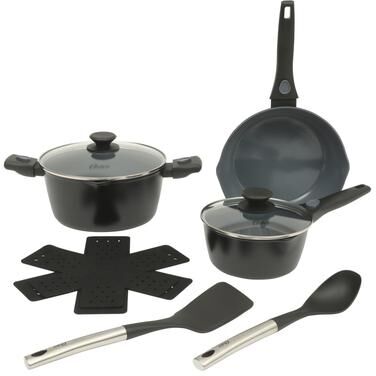
Oster SmartHandle Advance 13-Piece or 18-Piece Nonstick Cookware Set With Utensils & Pan ProtectorsThe Oster Smarthandle Advance Collection redefines everyday cooking with innovation and efficiency.Designed for convenience, this space-saving cookware features detachable, shareable handles that make storage easy and pan-swapping seamless.89,99 $*Shipping: 0,00 $Secure redirect to the provider
-
Uplift Picks Portable Folding Camping Cutlery Set With Case Stainless Steel Travel Utensils luckyNever get caught eating with flimsy disposable utensils again. This folding cutlery set gives you a clean, compact, and reliable way to enjoy meals wherever your day takes you. Designed for campers, travelers, office workers, and outdoor...32,97 $*Shipping: 0,00 $Secure redirect to the provider
-
Inspired Finds Expandable Cutlery Drawer Organizer Tray For Silverware, Spoons, And Kitchen Utensils whiteTransform messy kitchen drawers into organized storage spaces with this expandable cutlery organizer designed to keep silverware, utensils, and kitchen tools neatly arranged. Whether you're managing a busy family kitchen or maximizing storage in a...117,99 $*Shipping: 0,00 $Secure redirect to the provider
-
What are perceptual mechanisms?
Perceptual mechanisms refer to the processes by which our brain interprets and organizes sensory information from the environment. These mechanisms help us make sense of the world around us by filtering, selecting, and interpreting incoming sensory stimuli. They play a crucial role in shaping our perceptions, influencing how we perceive and understand the world. Perceptual mechanisms can vary from person to person and can be influenced by factors such as past experiences, expectations, and cultural background. **
-
What are defense mechanisms?
Defense mechanisms are psychological strategies that individuals unconsciously use to cope with anxiety and protect themselves from perceived threats or distressing emotions. These mechanisms operate at an unconscious level and help individuals manage internal conflicts and maintain a sense of psychological equilibrium. Common defense mechanisms include denial, repression, projection, and rationalization. While defense mechanisms can be adaptive in moderation, overreliance on them can lead to maladaptive behaviors and hinder personal growth and self-awareness. **
-
What are neural mechanisms?
Neural mechanisms refer to the processes and pathways in the brain that underlie various cognitive functions and behaviors. These mechanisms involve the communication between neurons through electrical and chemical signals, as well as the formation and strengthening of neural connections. Understanding neural mechanisms is crucial for studying how the brain processes information, controls behavior, and responds to different stimuli. Researchers use various techniques, such as neuroimaging and electrophysiology, to investigate these neural mechanisms and gain insights into brain function. **
-
What are perception mechanisms?
Perception mechanisms are the processes by which individuals interpret and make sense of sensory information from the environment. These mechanisms involve the brain receiving, organizing, and interpreting sensory inputs such as sight, sound, touch, taste, and smell. Perception mechanisms help individuals to understand and navigate their surroundings, allowing them to form perceptions, make decisions, and take actions based on the information they receive. These mechanisms can be influenced by factors such as past experiences, emotions, and cognitive biases. **
Similar search terms for Mechanisms
-
Inspired Finds Expandable Kitchen Drawer Organizer Adjustable Cutlery Tray For Utensils white No TablewareTurn messy drawers into a clean, efficient system with this expandable kitchen drawer organizer designed to maximize space and keep everything within reach. Whether you're storing spoons, forks, or cooking tools, this adjustable utensil tray adapts...66,99 $*Shipping: 0,00 $Secure redirect to the provider
-
Oster SmartHandle Advance 13-Piece or 18-Piece Nonstick Cookware Set With Utensils & Pan ProtectorsThe Oster Smarthandle Advance Collection redefines everyday cooking with innovation and efficiency.Designed for convenience, this space-saving cookware features detachable, shareable handles that make storage easy and pan-swapping seamless.129,99 $*Shipping: 0,00 $Secure redirect to the provider
-
Oster SmartHandle Advance 13-Piece or 18-Piece Nonstick Cookware Set With Utensils & Pan ProtectorsThe Oster Smarthandle Advance Collection redefines everyday cooking with innovation and efficiency.Designed for convenience, this space-saving cookware features detachable, shareable handles that make storage easy and pan-swapping seamless.89,99 $*Shipping: 0,00 $Secure redirect to the provider
-
Inspired Finds Expandable Cutlery Drawer Organizer Tray For Silverware, Spoons, And Kitchen Utensils blackTransform messy kitchen drawers into organized storage spaces with this expandable cutlery organizer designed to keep silverware, utensils, and kitchen tools neatly arranged. Whether you're managing a busy family kitchen or maximizing storage in a...117,99 $*Shipping: 0,00 $Secure redirect to the provider
-
What are the isolation mechanisms?
Isolation mechanisms are barriers that prevent different species from interbreeding, maintaining their genetic integrity. These mechanisms can be prezygotic, occurring before fertilization, or postzygotic, occurring after fertilization. Prezygotic mechanisms include habitat isolation, temporal isolation, behavioral isolation, mechanical isolation, and gametic isolation. Postzygotic mechanisms include reduced hybrid viability, reduced hybrid fertility, and hybrid breakdown. Together, these mechanisms help to ensure that species remain distinct and do not produce viable offspring when they interbreed. **
-
How secure are locking mechanisms?
Locking mechanisms can vary in terms of security, depending on the type and quality of the lock. High-quality locks, such as those with advanced technology and strong materials, can provide a high level of security. However, lower-quality or poorly maintained locks may be more vulnerable to picking, bumping, or other forms of forced entry. It's important to invest in secure locking mechanisms and to regularly maintain and update them to ensure the highest level of security for your property. **
-
What isolation mechanisms are there?
Isolation mechanisms are biological processes that prevent different species from interbreeding. These mechanisms can be prezygotic, meaning they prevent the formation of a zygote, or postzygotic, meaning they prevent the development of a viable offspring. Prezygotic isolation mechanisms include behavioral isolation (differences in mating behaviors), temporal isolation (different mating times), and ecological isolation (different habitats). Postzygotic isolation mechanisms include reduced hybrid viability (hybrid offspring are less likely to survive) and reduced hybrid fertility (hybrid offspring are infertile). These mechanisms help maintain the genetic integrity of different species. **
-
Where are crank gear mechanisms used?
Crank gear mechanisms are used in various applications, including automotive engines, bicycles, and industrial machinery. In automotive engines, crank gear mechanisms are used to convert the reciprocating motion of the pistons into rotational motion, which drives the vehicle. In bicycles, crank gear mechanisms are used to transfer the pedaling motion to the wheels, allowing the rider to propel the bike forward. In industrial machinery, crank gear mechanisms are used in various types of equipment to convert one type of motion into another for specific mechanical tasks. **
* All prices are inclusive of VAT and, if applicable, plus shipping costs. The offer information is based on the details provided by the respective shop and is updated through automated processes. Real-time updates do not occur, so deviations can occur in individual cases. ** Note: Parts of this content were created by AI.