Buy esculham.eu ?
We are moving the project
esculham.eu .
Are you interested in purchasing the domain
esculham.eu ?
domain@kv-gmbh.de · 0541-91531010
Buy esculham.eu ?
What are the properties of metal oxides and nonmetal oxides?
Metal oxides are typically basic in nature, meaning they react with acids to form salts and water. They are also typically solid at room temperature and have high melting and boiling points. Nonmetal oxides, on the other hand, are usually acidic in nature, meaning they react with bases to form salts and water. They are often gases or liquids at room temperature and have lower melting and boiling points compared to metal oxides. Both types of oxides play important roles in various chemical reactions and industrial processes. **
What are the differences between metal oxides and nonmetal oxides?
Metal oxides are compounds formed between a metal and oxygen, while nonmetal oxides are compounds formed between a nonmetal and oxygen. Metal oxides tend to be basic in nature, meaning they react with acids to form salts and water. Nonmetal oxides, on the other hand, tend to be acidic in nature, meaning they react with bases to form salts and water. Additionally, metal oxides typically have higher melting and boiling points compared to nonmetal oxides. **


Similar search terms for Oxides
Top-Angebote
Products related to Oxides:
-
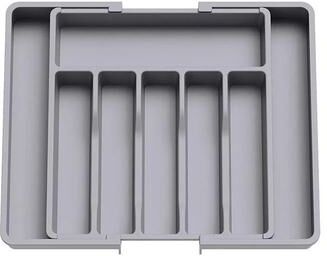
Inspired Finds Expandable Cutlery Drawer Organizer Tray For Silverware, Spoons, And Kitchen Utensils grayTransform messy kitchen drawers into organized storage spaces with this expandable cutlery organizer designed to keep silverware, utensils, and kitchen tools neatly arranged. Whether you're managing a busy family kitchen or maximizing storage in a...117,99 $*Shipping: 0,00 $Secure redirect to the provider
-
Inspired Finds Expandable Kitchen Drawer Organizer Adjustable Cutlery Tray For Utensils black No TablewareTurn messy drawers into a clean, efficient system with this expandable kitchen drawer organizer designed to maximize space and keep everything within reach. Whether you're storing spoons, forks, or cooking tools, this adjustable utensil tray adapts...66,99 $*Shipping: 0,00 $Secure redirect to the provider
-
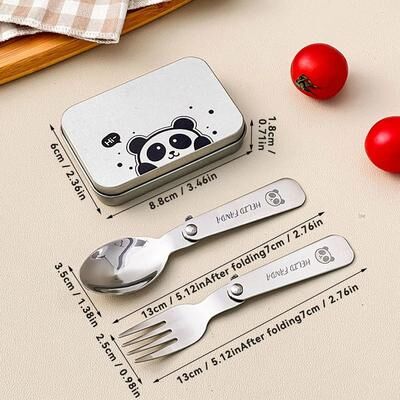
Uplift Picks Portable Folding Camping Cutlery Set With Case Stainless Steel Travel Utensils pandaNever get caught eating with flimsy disposable utensils again. This folding cutlery set gives you a clean, compact, and reliable way to enjoy meals wherever your day takes you. Designed for campers, travelers, office workers, and outdoor...32,97 $*Shipping: 0,00 $Secure redirect to the provider
-
Inspired Finds Expandable Cutlery Drawer Organizer Tray For Silverware, Spoons, And Kitchen Utensils blackTransform messy kitchen drawers into organized storage spaces with this expandable cutlery organizer designed to keep silverware, utensils, and kitchen tools neatly arranged. Whether you're managing a busy family kitchen or maximizing storage in a...117,99 $*Shipping: 0,00 $Secure redirect to the provider


-
What are the differences between metal oxides and non-metal oxides?
Metal oxides are compounds formed between a metal and oxygen, while non-metal oxides are compounds formed between a non-metal and oxygen. Metal oxides tend to be basic in nature, meaning they react with acids to form salts and water, while non-metal oxides tend to be acidic, reacting with bases to form salts and water. Additionally, metal oxides typically have higher melting and boiling points compared to non-metal oxides. **
-
What is the difference between metal oxides and nonmetal oxides in chemistry?
Metal oxides are compounds formed between a metal and oxygen, while nonmetal oxides are compounds formed between a nonmetal and oxygen. Metal oxides tend to be basic in nature, meaning they react with acids to form salts and water. Nonmetal oxides, on the other hand, tend to be acidic in nature, meaning they react with bases to form salts and water. This difference in reactivity is due to the different chemical properties of metals and nonmetals. **
-
What is the difference between metal oxides and non-metal oxides in chemistry?
Metal oxides are compounds formed by the combination of a metal with oxygen, while non-metal oxides are compounds formed by the combination of a non-metal with oxygen. Metal oxides are generally basic in nature, meaning they react with acids to form salts and water. Non-metal oxides, on the other hand, are generally acidic in nature, meaning they react with bases to form salts and water. This difference in reactivity is due to the difference in electronegativity between metals and non-metals. **
-
Are non-metal oxides gaseous?
Non-metal oxides can exist in various states, including solid, liquid, and gaseous forms. Some non-metal oxides, such as carbon dioxide (CO2) and sulfur dioxide (SO2), are gaseous at room temperature and pressure. These gaseous non-metal oxides can play important roles in atmospheric chemistry and environmental processes. **


Where are metal oxides used?
Metal oxides are used in a wide range of applications, including as pigments in paints and ceramics, as catalysts in chemical reactions, and as components in electronic devices such as semiconductors and solar cells. They are also used in the production of metals, as abrasives in grinding and polishing, and as additives in materials such as glass and rubber. Additionally, metal oxides are utilized in the manufacturing of batteries and fuel cells, and in environmental applications such as wastewater treatment and air purification. **
What are oxides in chemistry?
Oxides in chemistry are compounds that contain oxygen combined with another element. They can be formed by the reaction of oxygen with metals, nonmetals, or metalloids. Oxides can be acidic, basic, or amphoteric depending on the nature of the other element they are combined with. They play a crucial role in various chemical processes and are important in industries such as metallurgy, ceramics, and electronics. **
Top-Angebote
Products related to Oxides:
-
Utopia Alley 40 Pcs Cooking Utensils Set with Apron Silicone Turner Tong Spatula Spoon Kitchenware Organizer, BlackFOOD GRADE SILICONE & PREMIUM WOODEN HANDEL: The kitchen utensil set is made of food-grade safe silicone material and is BPA-free.33,99 $*Shipping: 0,00 $Secure redirect to the provider
-
Uplift Picks Portable Folding Camping Cutlery Set With Case Stainless Steel Travel Utensils bearNever get caught eating with flimsy disposable utensils again. This folding cutlery set gives you a clean, compact, and reliable way to enjoy meals wherever your day takes you. Designed for campers, travelers, office workers, and outdoor...32,97 $*Shipping: 0,00 $Secure redirect to the provider
-
Inspired Finds Expandable Cutlery Drawer Organizer Tray For Silverware, Spoons, And Kitchen Utensils grayTransform messy kitchen drawers into organized storage spaces with this expandable cutlery organizer designed to keep silverware, utensils, and kitchen tools neatly arranged. Whether you're managing a busy family kitchen or maximizing storage in a...117,99 $*Shipping: 0,00 $Secure redirect to the provider
-
Inspired Finds Expandable Kitchen Drawer Organizer Adjustable Cutlery Tray For Utensils black No TablewareTurn messy drawers into a clean, efficient system with this expandable kitchen drawer organizer designed to maximize space and keep everything within reach. Whether you're storing spoons, forks, or cooking tools, this adjustable utensil tray adapts...66,99 $*Shipping: 0,00 $Secure redirect to the provider
-
What are the properties of metal oxides and nonmetal oxides?
Metal oxides are typically basic in nature, meaning they react with acids to form salts and water. They are also typically solid at room temperature and have high melting and boiling points. Nonmetal oxides, on the other hand, are usually acidic in nature, meaning they react with bases to form salts and water. They are often gases or liquids at room temperature and have lower melting and boiling points compared to metal oxides. Both types of oxides play important roles in various chemical reactions and industrial processes. **
-
What are the differences between metal oxides and nonmetal oxides?
Metal oxides are compounds formed between a metal and oxygen, while nonmetal oxides are compounds formed between a nonmetal and oxygen. Metal oxides tend to be basic in nature, meaning they react with acids to form salts and water. Nonmetal oxides, on the other hand, tend to be acidic in nature, meaning they react with bases to form salts and water. Additionally, metal oxides typically have higher melting and boiling points compared to nonmetal oxides. **
-
What are the differences between metal oxides and non-metal oxides?
Metal oxides are compounds formed between a metal and oxygen, while non-metal oxides are compounds formed between a non-metal and oxygen. Metal oxides tend to be basic in nature, meaning they react with acids to form salts and water, while non-metal oxides tend to be acidic, reacting with bases to form salts and water. Additionally, metal oxides typically have higher melting and boiling points compared to non-metal oxides. **
-
What is the difference between metal oxides and nonmetal oxides in chemistry?
Metal oxides are compounds formed between a metal and oxygen, while nonmetal oxides are compounds formed between a nonmetal and oxygen. Metal oxides tend to be basic in nature, meaning they react with acids to form salts and water. Nonmetal oxides, on the other hand, tend to be acidic in nature, meaning they react with bases to form salts and water. This difference in reactivity is due to the different chemical properties of metals and nonmetals. **
Similar search terms for Oxides
-
Uplift Picks Portable Folding Camping Cutlery Set With Case Stainless Steel Travel Utensils pandaNever get caught eating with flimsy disposable utensils again. This folding cutlery set gives you a clean, compact, and reliable way to enjoy meals wherever your day takes you. Designed for campers, travelers, office workers, and outdoor...32,97 $*Shipping: 0,00 $Secure redirect to the provider
-
Inspired Finds Expandable Cutlery Drawer Organizer Tray For Silverware, Spoons, And Kitchen Utensils blackTransform messy kitchen drawers into organized storage spaces with this expandable cutlery organizer designed to keep silverware, utensils, and kitchen tools neatly arranged. Whether you're managing a busy family kitchen or maximizing storage in a...117,99 $*Shipping: 0,00 $Secure redirect to the provider
-
Uplift Picks Portable Folding Camping Cutlery Set With Case Stainless Steel Travel Utensils luckyNever get caught eating with flimsy disposable utensils again. This folding cutlery set gives you a clean, compact, and reliable way to enjoy meals wherever your day takes you. Designed for campers, travelers, office workers, and outdoor...32,97 $*Shipping: 0,00 $Secure redirect to the provider
-
Inspired Finds Expandable Kitchen Drawer Organizer Adjustable Cutlery Tray For Utensils white No TablewareTurn messy drawers into a clean, efficient system with this expandable kitchen drawer organizer designed to maximize space and keep everything within reach. Whether you're storing spoons, forks, or cooking tools, this adjustable utensil tray adapts...66,99 $*Shipping: 0,00 $Secure redirect to the provider
-
What is the difference between metal oxides and non-metal oxides in chemistry?
Metal oxides are compounds formed by the combination of a metal with oxygen, while non-metal oxides are compounds formed by the combination of a non-metal with oxygen. Metal oxides are generally basic in nature, meaning they react with acids to form salts and water. Non-metal oxides, on the other hand, are generally acidic in nature, meaning they react with bases to form salts and water. This difference in reactivity is due to the difference in electronegativity between metals and non-metals. **
-
Are non-metal oxides gaseous?
Non-metal oxides can exist in various states, including solid, liquid, and gaseous forms. Some non-metal oxides, such as carbon dioxide (CO2) and sulfur dioxide (SO2), are gaseous at room temperature and pressure. These gaseous non-metal oxides can play important roles in atmospheric chemistry and environmental processes. **
-
Where are metal oxides used?
Metal oxides are used in a wide range of applications, including as pigments in paints and ceramics, as catalysts in chemical reactions, and as components in electronic devices such as semiconductors and solar cells. They are also used in the production of metals, as abrasives in grinding and polishing, and as additives in materials such as glass and rubber. Additionally, metal oxides are utilized in the manufacturing of batteries and fuel cells, and in environmental applications such as wastewater treatment and air purification. **
-
What are oxides in chemistry?
Oxides in chemistry are compounds that contain oxygen combined with another element. They can be formed by the reaction of oxygen with metals, nonmetals, or metalloids. Oxides can be acidic, basic, or amphoteric depending on the nature of the other element they are combined with. They play a crucial role in various chemical processes and are important in industries such as metallurgy, ceramics, and electronics. **
* All prices are inclusive of VAT and, if applicable, plus shipping costs. The offer information is based on the details provided by the respective shop and is updated through automated processes. Real-time updates do not occur, so deviations can occur in individual cases. ** Note: Parts of this content were created by AI.