Buy esculham.eu ?
We are moving the project
esculham.eu .
Are you interested in purchasing the domain
esculham.eu ?
domain@kv-gmbh.de · 0541-91531010
Buy esculham.eu ?
What saves fuel: Accelerating quickly with high RPM or slowly with low RPM?
Accelerating slowly with low RPM saves fuel compared to accelerating quickly with high RPM. When you accelerate quickly, the engine has to work harder and burn more fuel to reach higher speeds. On the other hand, accelerating slowly with low RPM allows the engine to operate more efficiently and consume less fuel. Additionally, maintaining a steady speed once you reach your desired velocity can also help save fuel. **
What saves fuel: Accelerating quickly at high RPM or slowly at low RPM?
Accelerating slowly at low RPM saves fuel compared to accelerating quickly at high RPM. When you accelerate quickly at high RPM, the engine has to work harder and consumes more fuel to generate the power needed for acceleration. On the other hand, accelerating slowly at low RPM allows the engine to operate more efficiently and consume less fuel. Additionally, accelerating slowly can also reduce wear and tear on the engine components, leading to potential long-term fuel savings. **
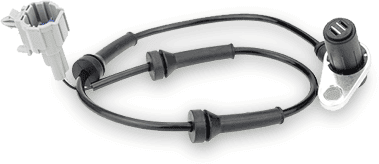
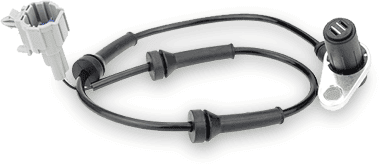
Similar search terms for PREXAparts-P201037-Sensor-RPM
Top-Angebote
Products related to PREXAparts-P201037-Sensor-RPM:
-
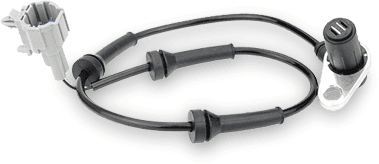
EPS 1.953.249 Sensor, RPMLength [mm]: 450; Sensor Length [mm]: 24,5; Supplementary Info: Made in Italy - OE Equivalent; TecDoc Engine Number: 22460, 22461, 22462, 22947, 22948, 22951, 22952, 22954; Construction Year from: 01/1993; Construction Year to: 12/1996; Required quantity: 135,99 £*Shipping: 8,45 £Secure redirect to the provider


-
How many RPM are okay?
The appropriate RPM (revolutions per minute) for a vehicle can vary depending on the make and model. However, a general guideline is to aim for around 2,000-3,000 RPM while driving at highway speeds. This range allows the engine to operate efficiently without putting too much strain on it. It's important to consult your vehicle's manual for specific recommendations on RPM levels. **
-
Is RPM or APT better?
The choice between RPM and APT often comes down to personal preference and the specific Linux distribution being used. RPM is the package manager used by Red Hat-based distributions like Fedora and CentOS, while APT is used by Debian-based distributions like Ubuntu. Both package managers have their strengths and weaknesses, so it ultimately depends on the user's familiarity with the system and the specific needs of the project. **
-
What saves fuel: Accelerating quickly at high RPM or accelerating slowly at low RPM?
Accelerating slowly at low RPM saves fuel compared to accelerating quickly at high RPM. When you accelerate quickly at high RPM, the engine has to work harder and uses more fuel to generate the necessary power. On the other hand, accelerating slowly at low RPM allows the engine to operate more efficiently and consume less fuel. Additionally, rapid acceleration can also put more strain on the engine and other components, leading to increased fuel consumption and potential maintenance costs in the long run. **
-
Is the sensor of my Nikon D5100 a full-frame sensor?
No, the sensor of the Nikon D5100 is not a full-frame sensor. It is an APS-C sized sensor, which is smaller than a full-frame sensor. This means that the field of view captured by the sensor is narrower compared to a full-frame sensor, resulting in a crop factor of approximately 1.5x for Nikon DX format cameras like the D5100. **

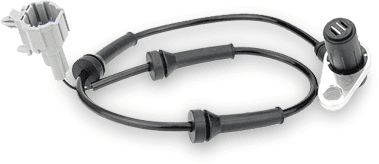
How can the NXT color sensor and light sensor be programmed?
The NXT color sensor and light sensor can be programmed using the NXT-G programming software, which allows users to create custom programs for the sensors. The software provides a range of pre-built blocks that can be used to control and read data from the sensors, making it easy to create complex behaviors. Additionally, the sensors can be programmed using other programming languages such as RobotC or Java, which provide more advanced capabilities for controlling and processing sensor data. Overall, the NXT color sensor and light sensor can be programmed using a variety of tools and languages to suit the needs of the user. **
What is the light sensor and what is the rain sensor?
A light sensor is a device that detects the presence or absence of light. It measures the intensity of light in its surroundings and can be used to automatically adjust lighting levels in response to changing light conditions. On the other hand, a rain sensor is a device that detects the presence of rain or moisture. It is commonly used in automated irrigation systems to prevent watering when it is raining, conserving water and preventing overwatering of plants. **
Top-Angebote
Products related to PREXAparts-P201037-Sensor-RPM:
-
PREXAparts P101049 Sensor, RPMTecDoc Engine Number: 23178, 24600, 23179, 24835, 25403, 24941, 23858, 25739, 20828, 23938, 23859, 20825, 24326, 24598, 23587, 24315, 21070, 20799, 22176, 20949, 20798, 20598, 24314, 22715, 24333, 22674, 23857, 20939, 24125, 26329, 26330, 20905, 26713, 24473, 24943, 20864, 24406, 23590, 23589, 24839, 23584, 23585, 23588, 24215, 27529, 27985, 26990, 28002, 23411, 23412; Engine Code: CJCB; Vehicle Identification Number (VIN) from: 1K-9-250 00118,49 £*Shipping: 8,45 £Secure redirect to the provider
-
What saves fuel: Accelerating quickly with high RPM or slowly with low RPM?
Accelerating slowly with low RPM saves fuel compared to accelerating quickly with high RPM. When you accelerate quickly, the engine has to work harder and burn more fuel to reach higher speeds. On the other hand, accelerating slowly with low RPM allows the engine to operate more efficiently and consume less fuel. Additionally, maintaining a steady speed once you reach your desired velocity can also help save fuel. **
-
What saves fuel: Accelerating quickly at high RPM or slowly at low RPM?
Accelerating slowly at low RPM saves fuel compared to accelerating quickly at high RPM. When you accelerate quickly at high RPM, the engine has to work harder and consumes more fuel to generate the power needed for acceleration. On the other hand, accelerating slowly at low RPM allows the engine to operate more efficiently and consume less fuel. Additionally, accelerating slowly can also reduce wear and tear on the engine components, leading to potential long-term fuel savings. **
-
How many RPM are okay?
The appropriate RPM (revolutions per minute) for a vehicle can vary depending on the make and model. However, a general guideline is to aim for around 2,000-3,000 RPM while driving at highway speeds. This range allows the engine to operate efficiently without putting too much strain on it. It's important to consult your vehicle's manual for specific recommendations on RPM levels. **
-
Is RPM or APT better?
The choice between RPM and APT often comes down to personal preference and the specific Linux distribution being used. RPM is the package manager used by Red Hat-based distributions like Fedora and CentOS, while APT is used by Debian-based distributions like Ubuntu. Both package managers have their strengths and weaknesses, so it ultimately depends on the user's familiarity with the system and the specific needs of the project. **
Similar search terms for PREXAparts-P201037-Sensor-RPM
-
EPS 1.953.249 Sensor, RPMLength [mm]: 450; Sensor Length [mm]: 24,5; Supplementary Info: Made in Italy - OE Equivalent; TecDoc Engine Number: 22460, 22461, 22462, 22947, 22948, 22951, 22952, 22954; Construction Year from: 01/1993; Construction Year to: 12/1996; Required quantity: 135,99 £*Shipping: 8,45 £Secure redirect to the provider
-
EPS 1.953.773 Sensor, RPMSensor Length [mm]: 24; Supplementary Info: Made in Italy - OE Equivalent; Number of pins: 3; Connector Shape: oval; Sensor Type: Hall Sensor; Supplementary Article / Supplementary Info Info 2: without cable; TecDoc Engine Number: 16866, 17357, 17500, 18223, 18245, 18246, 18268, 18269, 18541, 18883, 19005, 19315, 19427, 19428, 19820, 20488, 20606, 20710, 20714, 20715, 20732, 20733, 20734, 20792, 20795, 20797, 20798, 20799, 20825, 20828, 20839, 20902, 20905, 20938, 20939, 20943, 20944, 20945, 20949, 21070, 21590, 21592, 21661, 21734, 21735, 22170, 22171, 22172, 22173, 22174, 22180, 22181, 22222, 22452, 22467, 22469, 22638, 22639, 22641, 22642, 22661, 22662, 22670, 22671, 22672, 22673, 22674, 22676, 22677, 22678, 22679, 23090, 23095, 23096, 23097, 23100, 23102, 23103, 23105, 23136, 23138, 23178, 23179, 23180, 23312, 23411, 23412, 23414, 23421, 23520, 23524, 23582, 23583, 23584, 23585, 23586, 23587, 23588, 23589, 23590, 23591, 23610, 23735, 23857, 23858, 23859, 23907, 23908, 23927, 23928, 23929, 23934, 23935, 23938, 24000, 24215, 24261, 24312, 24314, 24315, 24326, 24333, 24364, 24365, 24366, 24385, 24386, 24441, 24449, 24450, 24451, 24471, 24473, 24474, 24597, 24598, 24600, 24656, 24753, 24754, 24834, 24835, 24839, 24937, 24939, 24951, 24962, 24963, 24964, 24980, 24994, 25006, 25102, 25189, 25401, 25403, 25404, 25408, 25421, 25438, 25468, 25658, 25659, 25662, 25702, 25703, 25704, 25705, 25726, 25727, 25729, 25739, 25747, 25748, 25749, 25789, 26238, 26239, 26310, 26311, 26323, 26325, 26334, 26335, 26336, 26338, 26515, 26535, 26572, 26573, 26574, 26629, 26643, 26695, 26718, 26719, 26720, 26721, 26722, 26723, 26724, 26725, 26902, 26916, 26918, 26919, 26920, 26924, 26990, 27017, 27151, 27152, 27153, 27189, 27190, 27191, 27193, 27194, 27195, 27196, 27197, 27198, 27201, 27202, 27210, 27223, 27225, 27251, 27252, 27253, 27254, 27255, 27256, 27258, 27261, 27263, 27264, 27527, 27529, 27543, 27804, 27805, 27806, 27808, 27809, 27810, 27811, 27817, 27857, 27858, 27859, 27958, 27959, 27960, 27961, 27962, 27963, 27965, 27972, 27973, 27976, 27978, 28019, 28035, 28036, 28095, 28098, 28099, 28100, 28124, 28200, 28201, 28213, 28283, 28307, 28311, 28359, 28425, 28543, 28854, 29192, 29194, 29200, 29216, 29225, 29226, 29231, 29242, 29243, 29244, 29245, 29246, 29247, 29248, 29249, 29250, 29280, 29283, 29286, 29301, 29303, 29304, 29305, 29306, 29307, 29308, 29571, 29597, 29661, 29744, 29749, 29750, 29803, 29804, 29841, 29842, 29843, 29844, 29846, 29847, 29848, 29849, 30245, 30257, 30258, 30259, 30260, 30261, 30266, 30604, 30786, 30801, 30802, 30928, 30929, 30930, 30933, 30934, 30937, 30995, 31024, 31027, 31028, 31029, 31034, 31156, 31157, 31158, 31160, 31161, 31162, 31237, 31238, 31239, 31240, 31241, 31317, 31318, 31319, 31328, 31329, 31334, 31335, 31341, 31351, 31352, 31353, 31355, 31357, 31358, 31360, 31364, 31365, 31370, 31371, 31372, 31373, 31393, 31400, 31407, 31415, 31428, 31429, 31430, 31431, 31432, 31438, 31521, 31523, 31648, 31649, 31653, 31654, 31777, 31778,...19,49 £*Shipping: 8,45 £Secure redirect to the provider
-
NGK 81063 Sensor, RPMSupplementary Article / Supplementary Info Info 2: without cable; Number of pins: 2; Connector Shape: oval; TecDoc Engine Number: 22903, 22902, 18554, 22900, 26302, 22901, 26102, 22100, 18555, 27273, 26301, 25557, 25844, 22717; Transmission Type: Manual Transmission; Fitting Position: in transmission housing; Vehicle type: XJLFL6,XJLFR614,49 £*Shipping: 8,45 £Secure redirect to the provider
-
What saves fuel: Accelerating quickly at high RPM or accelerating slowly at low RPM?
Accelerating slowly at low RPM saves fuel compared to accelerating quickly at high RPM. When you accelerate quickly at high RPM, the engine has to work harder and uses more fuel to generate the necessary power. On the other hand, accelerating slowly at low RPM allows the engine to operate more efficiently and consume less fuel. Additionally, rapid acceleration can also put more strain on the engine and other components, leading to increased fuel consumption and potential maintenance costs in the long run. **
-
Is the sensor of my Nikon D5100 a full-frame sensor?
No, the sensor of the Nikon D5100 is not a full-frame sensor. It is an APS-C sized sensor, which is smaller than a full-frame sensor. This means that the field of view captured by the sensor is narrower compared to a full-frame sensor, resulting in a crop factor of approximately 1.5x for Nikon DX format cameras like the D5100. **
-
How can the NXT color sensor and light sensor be programmed?
The NXT color sensor and light sensor can be programmed using the NXT-G programming software, which allows users to create custom programs for the sensors. The software provides a range of pre-built blocks that can be used to control and read data from the sensors, making it easy to create complex behaviors. Additionally, the sensors can be programmed using other programming languages such as RobotC or Java, which provide more advanced capabilities for controlling and processing sensor data. Overall, the NXT color sensor and light sensor can be programmed using a variety of tools and languages to suit the needs of the user. **
-
What is the light sensor and what is the rain sensor?
A light sensor is a device that detects the presence or absence of light. It measures the intensity of light in its surroundings and can be used to automatically adjust lighting levels in response to changing light conditions. On the other hand, a rain sensor is a device that detects the presence of rain or moisture. It is commonly used in automated irrigation systems to prevent watering when it is raining, conserving water and preventing overwatering of plants. **
* All prices are inclusive of VAT and, if applicable, plus shipping costs. The offer information is based on the details provided by the respective shop and is updated through automated processes. Real-time updates do not occur, so deviations can occur in individual cases. ** Note: Parts of this content were created by AI.