Buy esculham.eu ?
We are moving the project
esculham.eu .
Are you interested in purchasing the domain
esculham.eu ?
domain@kv-gmbh.de · 0541-91531010
Buy esculham.eu ?
Is the pupillary distance important?
Yes, pupillary distance is important when getting prescription eyeglasses. It is the measurement of the distance between the pupils of the eyes and is used to ensure that the lenses are properly centered in front of the eyes. A correct pupillary distance measurement helps to ensure that the prescription lenses provide the best possible vision correction and comfort for the wearer. It is important to have an accurate pupillary distance measurement when ordering prescription eyeglasses to avoid any discomfort or vision issues. **
How do I measure the pupillary distance?
To measure your pupillary distance, you can use a ruler and a mirror. First, stand in front of the mirror and hold the ruler against your forehead. Close one eye and align the ruler's zero mark with the center of your open eye's pupil. Then, look straight ahead and measure the distance from the center of one pupil to the center of the other. This measurement is your pupillary distance. It's important to ensure the ruler is held straight and that you are looking straight ahead to get an accurate measurement. **


Similar search terms for Pupillary
Top-Angebote
Products related to Pupillary:
-
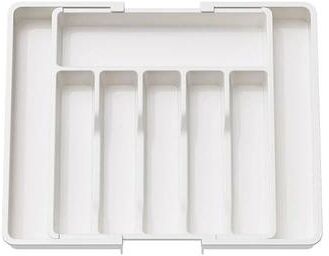
Inspired Finds Expandable Cutlery Drawer Organizer Tray For Silverware, Spoons, And Kitchen Utensils whiteTransform messy kitchen drawers into organized storage spaces with this expandable cutlery organizer designed to keep silverware, utensils, and kitchen tools neatly arranged. Whether you're managing a busy family kitchen or maximizing storage in a...117,99 $*Shipping: 0,00 $Secure redirect to the provider
-
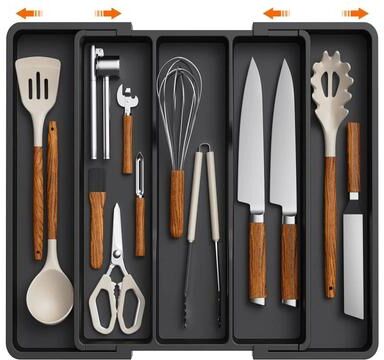
Inspired Finds Expandable Kitchen Drawer Organizer Adjustable Cutlery Tray For Utensils black No TablewareTurn messy drawers into a clean, efficient system with this expandable kitchen drawer organizer designed to maximize space and keep everything within reach. Whether you're storing spoons, forks, or cooking tools, this adjustable utensil tray adapts...66,99 $*Shipping: 0,00 $Secure redirect to the provider
-
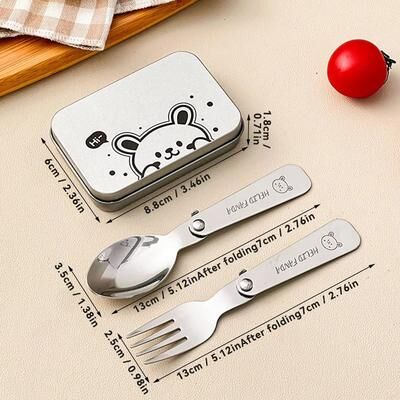
Uplift Picks Portable Folding Camping Cutlery Set With Case Stainless Steel Travel Utensils bearNever get caught eating with flimsy disposable utensils again. This folding cutlery set gives you a clean, compact, and reliable way to enjoy meals wherever your day takes you. Designed for campers, travelers, office workers, and outdoor...32,97 $*Shipping: 0,00 $Secure redirect to the provider
-
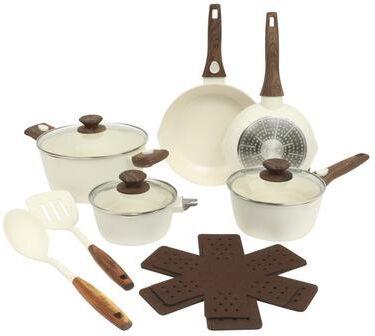
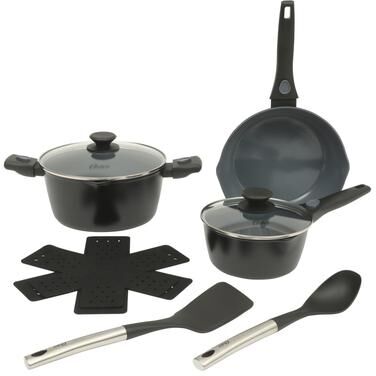
Oster SmartHandle Advance 13-Piece or 18-Piece Nonstick Cookware Set With Utensils & Pan ProtectorsThe Oster Smarthandle Advance Collection redefines everyday cooking with innovation and efficiency.Designed for convenience, this space-saving cookware features detachable, shareable handles that make storage easy and pan-swapping seamless.129,99 $*Shipping: 0,00 $Secure redirect to the provider

-
Does the pupillary distance remain the same?
No, the pupillary distance (PD) can change over time. It is the distance between the centers of the pupils of the eyes and can vary due to factors such as age, changes in vision, or certain medical conditions. It is important to have your PD measured regularly, especially when getting new eyeglasses, to ensure the correct fit and alignment of the lenses with your eyes. **
-
What is the tolerance of measuring pupillary distance?
The tolerance of measuring pupillary distance is typically around 2-3 millimeters. This means that measurements can vary slightly within this range and still be considered accurate. It is important to be as precise as possible when measuring pupillary distance to ensure proper alignment of eyeglasses or contact lenses for optimal vision correction. Any significant deviation outside of this tolerance range may result in discomfort or visual disturbances for the wearer. **
-
What is the pupillary distance (PD) for glasses?
The pupillary distance (PD) for glasses is the distance between the center of one pupil to the center of the other pupil, measured in millimeters. This measurement is important for ensuring that the optical center of the lenses aligns properly with the wearer's pupils, allowing for clear and comfortable vision. A correct PD measurement helps to reduce eye strain and ensure that the glasses provide the best possible vision correction. **
-
Does my eye doctor know my pupillary distance?
Yes, your eye doctor should know your pupillary distance. When you get an eye exam, the optometrist or ophthalmologist will measure your pupillary distance as part of the process of fitting you for glasses. This measurement is important for ensuring that your prescription lenses are properly centered in front of your eyes. If you are getting new glasses, your eye doctor will have your pupillary distance on file and can provide it to you upon request. **
What is the tolerance for deviations in pupillary distance?
The tolerance for deviations in pupillary distance is typically around 2-3mm. This means that the distance between the center of each pupil should ideally be within this range for accurate vision correction. Deviations beyond this tolerance can lead to discomfort, eye strain, and difficulty focusing. It is important to ensure an accurate pupillary distance measurement when getting prescription eyeglasses to optimize visual clarity and comfort. **
Is a small deviation in pupillary distance (PD) bad?
A small deviation in pupillary distance (PD) is not necessarily bad, as long as it falls within an acceptable range. However, a significant deviation in PD can lead to discomfort, eye strain, and potentially affect the accuracy of prescription eyewear. It is important to ensure that the PD measurement is as accurate as possible to optimize vision and comfort when wearing glasses or contact lenses. **
Top-Angebote
Products related to Pupillary:
-
Utopia Alley 40 Pcs Cooking Utensils Set with Apron Silicone Turner Tong Spatula Spoon Kitchenware Organizer, BlackFOOD GRADE SILICONE & PREMIUM WOODEN HANDEL: The kitchen utensil set is made of food-grade safe silicone material and is BPA-free.33,99 $*Shipping: 0,00 $Secure redirect to the provider
-
Oster SmartHandle Advance 13-Piece or 18-Piece Nonstick Cookware Set With Utensils & Pan ProtectorsThe Oster Smarthandle Advance Collection redefines everyday cooking with innovation and efficiency.Designed for convenience, this space-saving cookware features detachable, shareable handles that make storage easy and pan-swapping seamless.89,99 $*Shipping: 0,00 $Secure redirect to the provider
-
Inspired Finds Expandable Cutlery Drawer Organizer Tray For Silverware, Spoons, And Kitchen Utensils whiteTransform messy kitchen drawers into organized storage spaces with this expandable cutlery organizer designed to keep silverware, utensils, and kitchen tools neatly arranged. Whether you're managing a busy family kitchen or maximizing storage in a...117,99 $*Shipping: 0,00 $Secure redirect to the provider
-
Inspired Finds Expandable Kitchen Drawer Organizer Adjustable Cutlery Tray For Utensils black No TablewareTurn messy drawers into a clean, efficient system with this expandable kitchen drawer organizer designed to maximize space and keep everything within reach. Whether you're storing spoons, forks, or cooking tools, this adjustable utensil tray adapts...66,99 $*Shipping: 0,00 $Secure redirect to the provider
-
Is the pupillary distance important?
Yes, pupillary distance is important when getting prescription eyeglasses. It is the measurement of the distance between the pupils of the eyes and is used to ensure that the lenses are properly centered in front of the eyes. A correct pupillary distance measurement helps to ensure that the prescription lenses provide the best possible vision correction and comfort for the wearer. It is important to have an accurate pupillary distance measurement when ordering prescription eyeglasses to avoid any discomfort or vision issues. **
-
How do I measure the pupillary distance?
To measure your pupillary distance, you can use a ruler and a mirror. First, stand in front of the mirror and hold the ruler against your forehead. Close one eye and align the ruler's zero mark with the center of your open eye's pupil. Then, look straight ahead and measure the distance from the center of one pupil to the center of the other. This measurement is your pupillary distance. It's important to ensure the ruler is held straight and that you are looking straight ahead to get an accurate measurement. **
-
Does the pupillary distance remain the same?
No, the pupillary distance (PD) can change over time. It is the distance between the centers of the pupils of the eyes and can vary due to factors such as age, changes in vision, or certain medical conditions. It is important to have your PD measured regularly, especially when getting new eyeglasses, to ensure the correct fit and alignment of the lenses with your eyes. **
-
What is the tolerance of measuring pupillary distance?
The tolerance of measuring pupillary distance is typically around 2-3 millimeters. This means that measurements can vary slightly within this range and still be considered accurate. It is important to be as precise as possible when measuring pupillary distance to ensure proper alignment of eyeglasses or contact lenses for optimal vision correction. Any significant deviation outside of this tolerance range may result in discomfort or visual disturbances for the wearer. **
Similar search terms for Pupillary
-
Uplift Picks Portable Folding Camping Cutlery Set With Case Stainless Steel Travel Utensils bearNever get caught eating with flimsy disposable utensils again. This folding cutlery set gives you a clean, compact, and reliable way to enjoy meals wherever your day takes you. Designed for campers, travelers, office workers, and outdoor...32,97 $*Shipping: 0,00 $Secure redirect to the provider
-
Oster SmartHandle Advance 13-Piece or 18-Piece Nonstick Cookware Set With Utensils & Pan ProtectorsThe Oster Smarthandle Advance Collection redefines everyday cooking with innovation and efficiency.Designed for convenience, this space-saving cookware features detachable, shareable handles that make storage easy and pan-swapping seamless.129,99 $*Shipping: 0,00 $Secure redirect to the provider
-
Oster SmartHandle Advance 13-Piece or 18-Piece Nonstick Cookware Set With Utensils & Pan ProtectorsThe Oster Smarthandle Advance Collection redefines everyday cooking with innovation and efficiency.Designed for convenience, this space-saving cookware features detachable, shareable handles that make storage easy and pan-swapping seamless.89,99 $*Shipping: 0,00 $Secure redirect to the provider
-
Uplift Picks Portable Folding Camping Cutlery Set With Case Stainless Steel Travel Utensils capybaraNever get caught eating with flimsy disposable utensils again. This folding cutlery set gives you a clean, compact, and reliable way to enjoy meals wherever your day takes you. Designed for campers, travelers, office workers, and outdoor...32,97 $*Shipping: 0,00 $Secure redirect to the provider
-
What is the pupillary distance (PD) for glasses?
The pupillary distance (PD) for glasses is the distance between the center of one pupil to the center of the other pupil, measured in millimeters. This measurement is important for ensuring that the optical center of the lenses aligns properly with the wearer's pupils, allowing for clear and comfortable vision. A correct PD measurement helps to reduce eye strain and ensure that the glasses provide the best possible vision correction. **
-
Does my eye doctor know my pupillary distance?
Yes, your eye doctor should know your pupillary distance. When you get an eye exam, the optometrist or ophthalmologist will measure your pupillary distance as part of the process of fitting you for glasses. This measurement is important for ensuring that your prescription lenses are properly centered in front of your eyes. If you are getting new glasses, your eye doctor will have your pupillary distance on file and can provide it to you upon request. **
-
What is the tolerance for deviations in pupillary distance?
The tolerance for deviations in pupillary distance is typically around 2-3mm. This means that the distance between the center of each pupil should ideally be within this range for accurate vision correction. Deviations beyond this tolerance can lead to discomfort, eye strain, and difficulty focusing. It is important to ensure an accurate pupillary distance measurement when getting prescription eyeglasses to optimize visual clarity and comfort. **
-
Is a small deviation in pupillary distance (PD) bad?
A small deviation in pupillary distance (PD) is not necessarily bad, as long as it falls within an acceptable range. However, a significant deviation in PD can lead to discomfort, eye strain, and potentially affect the accuracy of prescription eyewear. It is important to ensure that the PD measurement is as accurate as possible to optimize vision and comfort when wearing glasses or contact lenses. **
* All prices are inclusive of VAT and, if applicable, plus shipping costs. The offer information is based on the details provided by the respective shop and is updated through automated processes. Real-time updates do not occur, so deviations can occur in individual cases. ** Note: Parts of this content were created by AI.