Buy esculham.eu ?
We are moving the project
esculham.eu .
Are you interested in purchasing the domain
esculham.eu ?
domain@kv-gmbh.de · 0541-91531010
Buy esculham.eu ?
What are ion substances and molecule substances?
Ion substances are compounds made up of positively and negatively charged ions, such as sodium chloride (NaCl) or calcium carbonate (CaCO3). These substances are held together by electrostatic forces between the ions. Molecule substances, on the other hand, are made up of covalently bonded atoms, such as water (H2O) or carbon dioxide (CO2). These substances are held together by sharing electrons between the atoms. In summary, ion substances are composed of charged ions held together by electrostatic forces, while molecule substances are composed of covalently bonded atoms held together by shared electrons. **
To which substances do the elemental substances belong?
Elemental substances belong to the group of pure substances, which are made up of only one type of atom. These elemental substances are the building blocks of all matter and cannot be broken down into simpler substances by chemical means. Examples of elemental substances include hydrogen, oxygen, carbon, and gold. **


Similar search terms for Substances
Top-Angebote
Products related to Substances:
-
Uplift Picks Portable Folding Camping Cutlery Set With Case Stainless Steel Travel Utensils luckyNever get caught eating with flimsy disposable utensils again. This folding cutlery set gives you a clean, compact, and reliable way to enjoy meals wherever your day takes you. Designed for campers, travelers, office workers, and outdoor...32,97 $*Shipping: 0,00 $Secure redirect to the provider
-
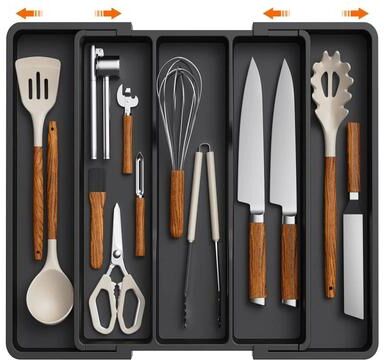
Inspired Finds Expandable Kitchen Drawer Organizer Adjustable Cutlery Tray For Utensils white No TablewareTurn messy drawers into a clean, efficient system with this expandable kitchen drawer organizer designed to maximize space and keep everything within reach. Whether you're storing spoons, forks, or cooking tools, this adjustable utensil tray adapts...66,99 $*Shipping: 0,00 $Secure redirect to the provider
-
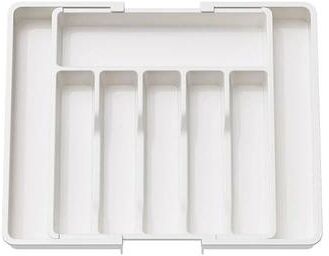
Inspired Finds Expandable Cutlery Drawer Organizer Tray For Silverware, Spoons, And Kitchen Utensils whiteTransform messy kitchen drawers into organized storage spaces with this expandable cutlery organizer designed to keep silverware, utensils, and kitchen tools neatly arranged. Whether you're managing a busy family kitchen or maximizing storage in a...117,99 $*Shipping: 0,00 $Secure redirect to the provider
-
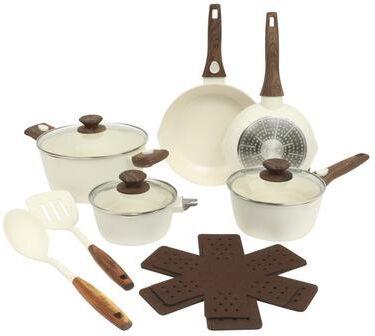
Oster SmartHandle Advance 13-Piece or 18-Piece Nonstick Cookware Set With Utensils & Pan ProtectorsThe Oster Smarthandle Advance Collection redefines everyday cooking with innovation and efficiency.Designed for convenience, this space-saving cookware features detachable, shareable handles that make storage easy and pan-swapping seamless.129,99 $*Shipping: 0,00 $Secure redirect to the provider

-
To which substances do the elementary substances belong?
Elementary substances belong to the category of pure chemical elements. These are the basic building blocks of matter and cannot be broken down into simpler substances by ordinary chemical reactions. Examples of elementary substances include hydrogen, oxygen, carbon, and iron. Each element is defined by its unique atomic structure and properties. **
-
Why do polar substances dissolve in polar substances?
Polar substances dissolve in polar substances because they have similar intermolecular forces. Polar substances, such as water, have a partial positive and partial negative charge, which allows them to form hydrogen bonds with other polar molecules. When a polar substance is added to a polar solvent, the partial charges on the solvent molecules attract and surround the solute molecules, causing them to separate and disperse evenly throughout the solvent. This allows the polar solute to dissolve in the polar solvent, forming a homogeneous mixture. **
-
Why do substances dissolve in other substances or not?
Substances dissolve in other substances when the intermolecular forces between the solute and solvent are strong enough to overcome the forces holding the solute together. This allows the solute particles to become surrounded by solvent particles and spread out evenly throughout the solvent. On the other hand, substances may not dissolve in a particular solvent if the intermolecular forces between the solute and solvent are not strong enough to overcome the forces holding the solute together, or if the solute and solvent have incompatible polarities. **
-
Can organic substances split and combine with other substances?
Yes, organic substances can split and combine with other substances through chemical reactions. For example, organic compounds can undergo processes such as hydrolysis, where they split into smaller molecules by reacting with water. Additionally, organic substances can also combine with other substances through synthesis reactions, where new organic compounds are formed by combining smaller molecules. These chemical reactions are fundamental to the behavior and properties of organic substances in living organisms and in the environment. **
Which substances float?
Substances that are less dense than the liquid they are placed in will float. This includes materials such as wood, plastic, cork, and ice. **
Are colors pure substances or mixtures of substances and why?
Colors are mixtures of substances rather than pure substances. This is because colors are produced by the interaction of different wavelengths of light with the molecules of the material. For example, the color red is produced when an object absorbs all the wavelengths of light except for red, which is reflected back to our eyes. Therefore, colors are the result of a mixture of different wavelengths of light interacting with the molecules of the material, making them mixtures of substances. **
Top-Angebote
Products related to Substances:
-
Utopia Alley 40 Pcs Cooking Utensils Set with Apron Silicone Turner Tong Spatula Spoon Kitchenware Organizer, BlackFOOD GRADE SILICONE & PREMIUM WOODEN HANDEL: The kitchen utensil set is made of food-grade safe silicone material and is BPA-free.33,99 $*Shipping: 0,00 $Secure redirect to the provider
-
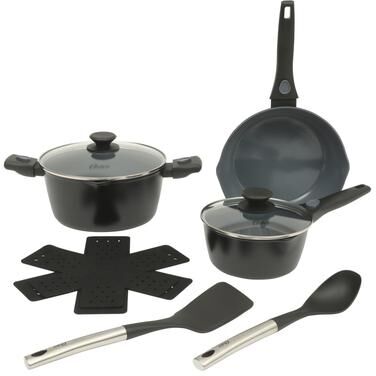
Oster SmartHandle Advance 13-Piece or 18-Piece Nonstick Cookware Set With Utensils & Pan ProtectorsThe Oster Smarthandle Advance Collection redefines everyday cooking with innovation and efficiency.Designed for convenience, this space-saving cookware features detachable, shareable handles that make storage easy and pan-swapping seamless.89,99 $*Shipping: 0,00 $Secure redirect to the provider
-
Uplift Picks Portable Folding Camping Cutlery Set With Case Stainless Steel Travel Utensils luckyNever get caught eating with flimsy disposable utensils again. This folding cutlery set gives you a clean, compact, and reliable way to enjoy meals wherever your day takes you. Designed for campers, travelers, office workers, and outdoor...32,97 $*Shipping: 0,00 $Secure redirect to the provider
-
Inspired Finds Expandable Kitchen Drawer Organizer Adjustable Cutlery Tray For Utensils white No TablewareTurn messy drawers into a clean, efficient system with this expandable kitchen drawer organizer designed to maximize space and keep everything within reach. Whether you're storing spoons, forks, or cooking tools, this adjustable utensil tray adapts...66,99 $*Shipping: 0,00 $Secure redirect to the provider
-
What are ion substances and molecule substances?
Ion substances are compounds made up of positively and negatively charged ions, such as sodium chloride (NaCl) or calcium carbonate (CaCO3). These substances are held together by electrostatic forces between the ions. Molecule substances, on the other hand, are made up of covalently bonded atoms, such as water (H2O) or carbon dioxide (CO2). These substances are held together by sharing electrons between the atoms. In summary, ion substances are composed of charged ions held together by electrostatic forces, while molecule substances are composed of covalently bonded atoms held together by shared electrons. **
-
To which substances do the elemental substances belong?
Elemental substances belong to the group of pure substances, which are made up of only one type of atom. These elemental substances are the building blocks of all matter and cannot be broken down into simpler substances by chemical means. Examples of elemental substances include hydrogen, oxygen, carbon, and gold. **
-
To which substances do the elementary substances belong?
Elementary substances belong to the category of pure chemical elements. These are the basic building blocks of matter and cannot be broken down into simpler substances by ordinary chemical reactions. Examples of elementary substances include hydrogen, oxygen, carbon, and iron. Each element is defined by its unique atomic structure and properties. **
-
Why do polar substances dissolve in polar substances?
Polar substances dissolve in polar substances because they have similar intermolecular forces. Polar substances, such as water, have a partial positive and partial negative charge, which allows them to form hydrogen bonds with other polar molecules. When a polar substance is added to a polar solvent, the partial charges on the solvent molecules attract and surround the solute molecules, causing them to separate and disperse evenly throughout the solvent. This allows the polar solute to dissolve in the polar solvent, forming a homogeneous mixture. **
Similar search terms for Substances
-
Inspired Finds Expandable Cutlery Drawer Organizer Tray For Silverware, Spoons, And Kitchen Utensils whiteTransform messy kitchen drawers into organized storage spaces with this expandable cutlery organizer designed to keep silverware, utensils, and kitchen tools neatly arranged. Whether you're managing a busy family kitchen or maximizing storage in a...117,99 $*Shipping: 0,00 $Secure redirect to the provider
-
Oster SmartHandle Advance 13-Piece or 18-Piece Nonstick Cookware Set With Utensils & Pan ProtectorsThe Oster Smarthandle Advance Collection redefines everyday cooking with innovation and efficiency.Designed for convenience, this space-saving cookware features detachable, shareable handles that make storage easy and pan-swapping seamless.129,99 $*Shipping: 0,00 $Secure redirect to the provider
-
Oster SmartHandle Advance 13-Piece or 18-Piece Nonstick Cookware Set With Utensils & Pan ProtectorsThe Oster Smarthandle Advance Collection redefines everyday cooking with innovation and efficiency.Designed for convenience, this space-saving cookware features detachable, shareable handles that make storage easy and pan-swapping seamless.89,99 $*Shipping: 0,00 $Secure redirect to the provider
-
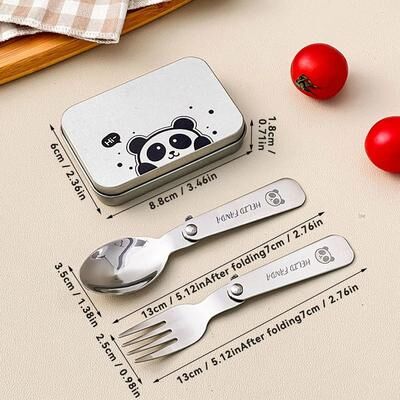
Uplift Picks Portable Folding Camping Cutlery Set With Case Stainless Steel Travel Utensils pandaNever get caught eating with flimsy disposable utensils again. This folding cutlery set gives you a clean, compact, and reliable way to enjoy meals wherever your day takes you. Designed for campers, travelers, office workers, and outdoor...32,97 $*Shipping: 0,00 $Secure redirect to the provider
-
Why do substances dissolve in other substances or not?
Substances dissolve in other substances when the intermolecular forces between the solute and solvent are strong enough to overcome the forces holding the solute together. This allows the solute particles to become surrounded by solvent particles and spread out evenly throughout the solvent. On the other hand, substances may not dissolve in a particular solvent if the intermolecular forces between the solute and solvent are not strong enough to overcome the forces holding the solute together, or if the solute and solvent have incompatible polarities. **
-
Can organic substances split and combine with other substances?
Yes, organic substances can split and combine with other substances through chemical reactions. For example, organic compounds can undergo processes such as hydrolysis, where they split into smaller molecules by reacting with water. Additionally, organic substances can also combine with other substances through synthesis reactions, where new organic compounds are formed by combining smaller molecules. These chemical reactions are fundamental to the behavior and properties of organic substances in living organisms and in the environment. **
-
Which substances float?
Substances that are less dense than the liquid they are placed in will float. This includes materials such as wood, plastic, cork, and ice. **
-
Are colors pure substances or mixtures of substances and why?
Colors are mixtures of substances rather than pure substances. This is because colors are produced by the interaction of different wavelengths of light with the molecules of the material. For example, the color red is produced when an object absorbs all the wavelengths of light except for red, which is reflected back to our eyes. Therefore, colors are the result of a mixture of different wavelengths of light interacting with the molecules of the material, making them mixtures of substances. **
* All prices are inclusive of VAT and, if applicable, plus shipping costs. The offer information is based on the details provided by the respective shop and is updated through automated processes. Real-time updates do not occur, so deviations can occur in individual cases. ** Note: Parts of this content were created by AI.